قسم الكيمياء الحيوية

المزيد ...

حول قسم الكيمياء الحيوية

حقائق حول قسم الكيمياء الحيوية

نفتخر بما نقدمه للمجتمع والعالم

30

المنشورات العلمية

6

هيئة التدريس

0

الطلبة

0

الخريجون

من يعمل بـقسم الكيمياء الحيوية

يوجد بـقسم الكيمياء الحيوية أكثر من 6 عضو هيئة تدريس

staff photo

أ.د. عبدالله مسعود بشين بشين

عبدالله بشين هو احد اعضاء هيئة التدريس بقسم الكيمياء الحيوية بكلية الطب البشري. يعمل السيد عبدالله بشين بجامعة طرابلس كـأستاذ منذ 2007-04-15 وله العديد من المنشورات العلمية في مجال تخصصه

منشورات مختارة

بعض المنشورات التي تم نشرها في قسم الكيمياء الحيوية

Prevalence of H63D and C282Y mutations in hereditary hemochromatosis (HFE) gene in Tripoli region of Libya

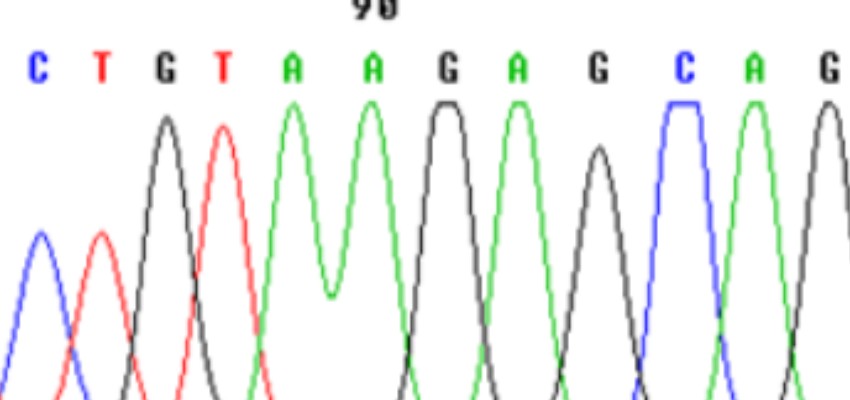
Background and Aims: Hereditary hemochromatosis (HH) is an autosomal recessive disorder, characterized by increased intestinal absorption of iron. Excessive amount of iron accumulates in the liver, pancreas, and heart, etc., and eventually leading to organ failure due to iron toxicity and death if untreated. The most common causes of HH are the C282Y and H63D mutations in HFE gene. This study aimed to identify the prevalence of H63D and C282Y alleles among the Libyan population in Tripoli region and to compare the results with other published data. Materials and Methods: This study included 300 randomly selected unrelated Libyan male blood donors, aged between 18 and 50 years. In‑house hydrolysis probe real‑time polymerase chain reaction and high‑resolution melting analysis protocols were developed and employed as screening tools for H63D and C282Y genotyping, respectively, and direct DNA sequencing was used to confirm the results. Results: Seven subjects (2.33%) were detected as homozygous H63D mutation and 72 (24%) were detected as heterozygous, and only one subject was detected as a heterozygous C282Y mutant (0.33%) and no homozygous C282Y mutation was detected. Conclusion: In Libyans residing in Tripoli region, the allele frequency of C282Y was very rare and allele frequency of H63D was common arabic 17 English 89
Laila Mohamed Elghawi, Abdulla Bashein(7-2021)
Publisher's website

Seroprevalence of Measles, Mumps, and Rubella Antibodies in Libyan Children at School Entry Evaluation of MMR Immunization Program

Measles, Mumps ,and rubella (MMR) are serious diseases that can lead potentially to disability and death. The study aimed to determine seroprevalence rates of antibody levels against MMR among Libyan children at school entry. This was a cross sectional study undertaken in Tripoli, from August to September 2016. Children of school-entry age (> 5 to ≤ 7 years) were randomly recruited at vaccination centers. Sera were tested for antibodies againstMMR. Data analyzed by SPSS program version 20. Out of 546 children, 290 were males. IgG antibodies against measles, mumps, and rubella were positive in 513 (94%), 436 (80%), 538 (98.5%) children, respectively. Seropositivity rates in Libyan children at school entry is protective and this is similar in so many other studies. This indicates that MMR vaccine program is effective in strengthening herd immunity in the Libyan community. arabic 19 English 111
Mohamed Abugalia, A Bashein(1-2021)
Publisher's website

Impact of the COVID-19 pandemic on medical education: Medical students’ knowledge, attitudes, and practices regarding electronic learning

The Coronavirus Disease 2019 (COVID-19) pandemic has caused an unprecedented disruption in medical education and healthcare systems worldwide. The disease can cause life-threatening conditions and it presents challenges for medical education, as instructors must deliver lectures safely, while ensuring the integrity and continuity of the medical education process. It is therefore important to assess the usability of online learning methods, and to determine their feasibility and adequacy for medical students. We aimed to provide an overview of the situation experienced by medical students during the COVID-19 pandemic, and to determine the knowledge, attitudes, and practices of medical students regarding electronic medical education. A cross-sectional survey was conducted with medical students from more than 13 medical schools in Libya. A paper-based and online survey was conducted using email and social media. The survey requested demographic and socioeconomic information, as well as information related to medical online learning and electronic devices; medical education status during the COVID-19 pandemic; mental health assessments; and e-learning knowledge, attitudes, and practices. A total of 3,348 valid questionnaires were retrieved. Most respondents (64.7%) disagreed that e-learning could be implemented easily in Libya. While 54.1% of the respondents agreed that interactive discussion is achievable by means of e-learning. However, only 21.1% agreed that e-learning could be used for clinical aspects, as compared with 54.8% who disagreed with this statement and 24% who were neutral. Only 27.7% of the … arabic 23 English 116
Ahmed Alsoufi, Ahmed Zaid(1-2020)
Publisher's website