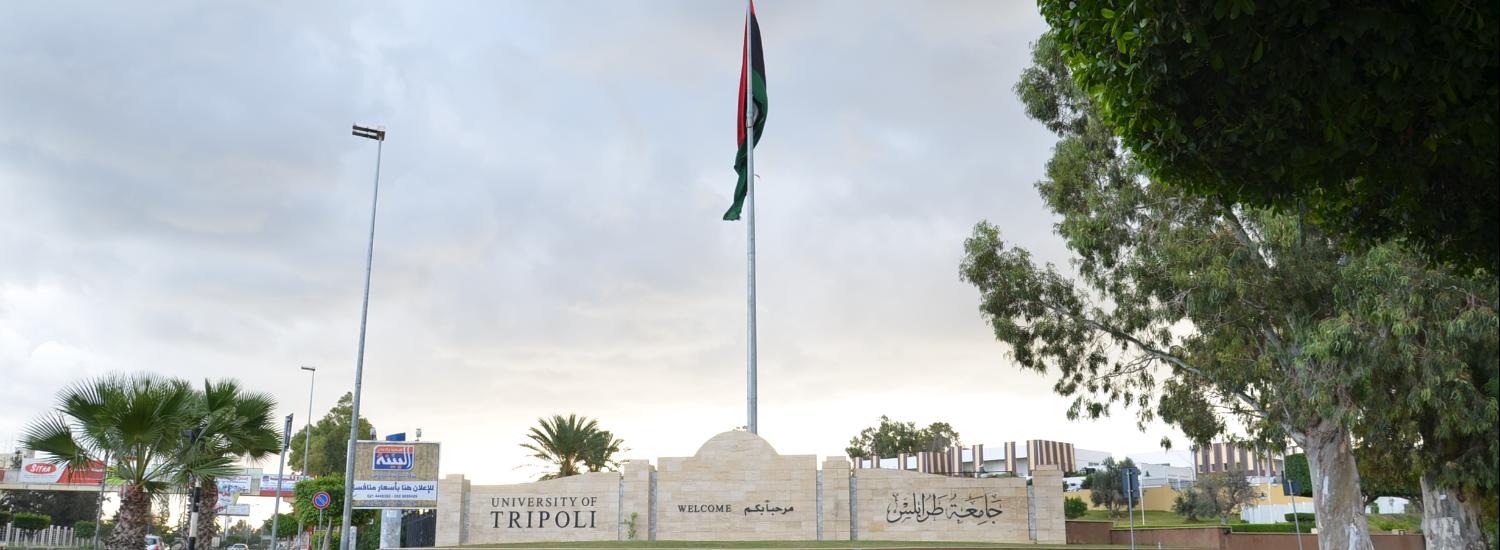
قسم الرقابة الصحية على الأغذية

المزيد ...

حول قسم الرقابة الصحية على الأغذية

قسم الرقابة الصحية على الأغذية هو أحد أقسام كلية الطب البيطرى / جامعة طرابلس والتى تأسست سنة 1975م، التى بدورها تمنح درجة البكالوريوس في العلوم الطبية البيطرية (B.V.Sc.)، كما يمنح القسم درجة الماجستير في العلوم الطبية البيطرية (M.V.Sc.) فى مجال الرقابة الصحية على الأغذية ذات الأصل الحيواني (الرقابة الصحية على اللحوم والرقابة الصحية على الألبان ومنتجاتهما).  ويختص القسم بتدريس مقراراته فى مجال الرقابة الصحية على الأغذية ذات الأصل الحيواني بشقيهما لطلبة البكالوريوس والدراسة العليا بحيث يصبح الطلبة الحاصلين على تلك الدرجات قادرين على الكشف والفحص وتحديد مدى صلاحية وسلامة تلك الأغذية من النواحي الظاهرية والكيميائية والميكروبية والتحقق من مطابقتها للمواصفات القياسية الليبية والدولية.  كما يقوم القسم بتدريس معنى التلوث الغذائي ومدى تأثيره على الصحة العامة ومعرفة أساليب التحكم وطرق الوقاية من وصول تلك الملوثات للأغذية ذات الأصل الحيواني وطرق تفاديها والتقليل منها.  ويتعاون قسم الرقابة الصحية على الأغذية مع بعض الأقسام العلمية داخل جامعة طرابلس وخارجها فى المجال العلمى والبحثى.  أيضا يشارك القسم فى تقديم خدمة للمجتمع ومؤسسات الدولة فى مجاله حيث يقدم إستشاراته وتعاونه مع الجهات الرسمية والخاصة لتذليل الصعاب وحل المشكلات التى تواجه القطاعات ذات الإختصاص.

حقائق حول قسم الرقابة الصحية على الأغذية

نفتخر بما نقدمه للمجتمع والعالم

10

المنشورات العلمية

7

هيئة التدريس

من يعمل بـقسم الرقابة الصحية على الأغذية

يوجد بـقسم الرقابة الصحية على الأغذية أكثر من 7 عضو هيئة تدريس

staff photo

د. سالم فرحات صالح أبوريمة

سالم أبوريمة هو احد اعضاء هيئة التدريس بقسم الرقابة الصحية على الاغذية بكلية الطب البيطري. يعمل السيد سالم أبوريمة بجامعة طرابلس منذ 1997-06-17 وله العديد من المنشورات العلمية في مجال تخصصه

منشورات مختارة

بعض المنشورات التي تم نشرها في قسم الرقابة الصحية على الأغذية

Antibacterial effects of natural tenderizing enzymes on different strains of Escherichia coli O157:H7 and Listeria monocytogenes on beef

This study determined the efficacy of actinidin and papain on reducing Listeria monocytogenes and three mixed strains of Escherichia coli O157:H7 populations on beef. The average reduction of E. coli O157:H7 was greater than that of L. monocytogenes and higher concentrations of either protease yielded greater reduction in bacterial populations. For instance, actinidin at 700 mg/ml significantly (p ≤ 0.05) reduced the population of L. monocytogenes by 1.49 log cfu/ml meat rinse after 3 h at 25 & 35 °C, and by 1.45 log cfu/ml rinse after 24 h at 5 °C, while the same actinidin concentration significantly reduced the populations of three mixed strains of E. coli O157:H7 by 1.81 log cfu/ml rinse after 3 h at 25 & 35 °C, and 1.94 log cfu/ml rinse after 24 h at 5 °C. These findings suggest that, in addition to improving the sensory attributes of beef, proteolytic enzymes can enhance meat safety when stored at suitable temperatures.
Hesham Taher Naas(12-2013)
Publisher's website

Bacillus cereus as an Emerging Public Health Concern in Libya: Isolation and Antibiogram from Food of Animal Origin

Background: This study was conducted to investigate the presence of Bacillus cereus in meat, meat products, and some seafood in Libya. Materials and Methods: One hundred and thirty‑one samples were collected from different geographic localities in Libya. The samples were subjected to microbiological analysis for enumeration and isolation of B. cereus by conventional cultural, biochemical, and molecular identification using polymerase chain reaction (PCR) and partial sequencing of 16S rDNA techniques. Results: Of 131 samples, only 38 (29%) isolates were found to be B. cereus based on their cultural characteristics on Mannitol Egg‑Yolk Polymyxin (MYP) medium that included 30% beef, 38.2% beef products (minced, burger, kabab, and sausage), 31.8% camel meat, and 48% chicken products (burger, sausage, kabab, and liver). However, B. cereus was not detected from mutton and seafood samples. Seventeen isolates were subjected to molecular identification using PCR and partial sequencing of 16S rDNA technique and confirmed to be B. cereus. The confirmed B. cereus strains were tested for their antibiotic sensitivity profiles and showed a high percentage of multiresistance phenotype. Conclusions: The results provide a better understanding of B. cereus isolated from food of animal origin in Libya and suggest that meat and meat products might play an important role in the spreading of B. cereus through the food chain with antimicrobial resistance characteristics.
Hesham Taher Naas(6-2018)
Publisher's website

Enterohemorrhagic Escherichia coli O157 in milk and dairy products from Libya: Isolation and molecular identification by partial sequencing of 16S rDNA

Aim: The aim of this work was to isolate and molecularly identify enterohemorrhagic Escherichia coli (EHEC) O157 in milk and dairy products in Libya, in addition; to clear the accuracy of cultural and biochemical identification as compared with molecular identification by partial sequencing of 16S rDNA for the existing isolates. Materials and Methods: A total of 108 samples of raw milk (cow, she-camel, and goat) and locally made dairy products (fermented cow’s milk, Maasora, Ricotta and ice cream) were collected from some regions (Janzour, Tripoli, Kremiya, Tajoura and Tobruk) in Libya. Samples were subjected to microbiological analysis for isolation of E. coli that was detected by conventional cultural and molecular method using polymerase chain reaction and partial sequencing of 16S rDNA. Results: Out of 108 samples, only 27 isolates were found to be EHEC O157 based on their cultural characteristics (Tellurite- Cefixime-Sorbitol MacConkey) that include 3 isolates from cow’s milk (11%), 3 isolates from she-camel’s milk (11%), two isolates from goat’s milk (7.4%) and 7 isolates from fermented raw milk samples (26%), isolates from fresh locally made soft cheeses (Maasora and Ricotta) were 9 (33%) and 3 (11%), respectively, while none of the ice cream samples revealed any growth. However, out of these 27 isolates, only 11 were confirmed to be E. coli by partial sequencing of 16S rDNA and E. coli O157 Latex agglutination test. Phylogenetic analysis revealed that majority of local E. coli isolates were related to E. coli O157:H7 FRIK944 strain. Conclusion: These results can be used for further studies on EHEC O157 as an emerging foodborne pathogen and its role in human infection in Libya.
Hesham Taher Naas(11-2016)
Publisher's website