
كلية العلوم

المزيد ...

حول كلية العلوم

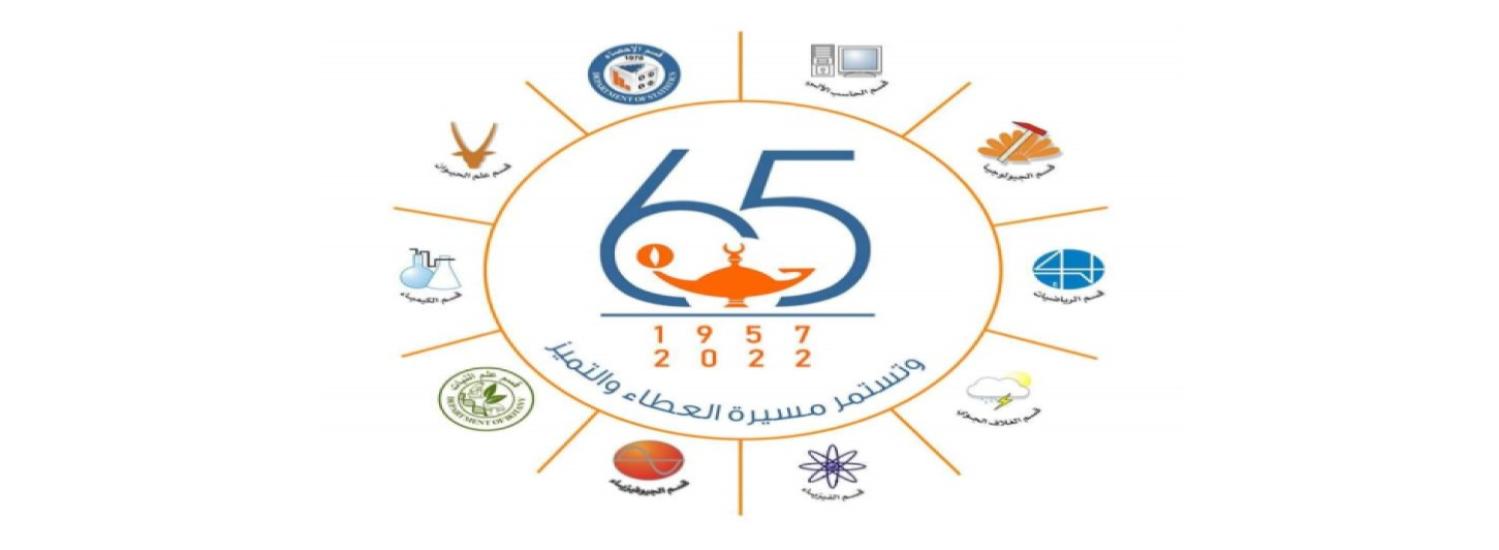
كلية العلوم- جامعة طرابلس هي نواة كليات العلوم ليس فقط في هذه الجامعة العريقة بل في الدولة الليبية . تضم في الوقت الحالي عشرة اقسام علمية ويجري العمل على استحداث قسم جديد Archaeology يختص بدراسة بالجانب العلمي البحثي للتراث التاريخي للشعب الليبي، وهذه الأقسام العلمية هي قسم علم الحيوان وعلم الرياضيات، وعلم الفيزياء، وعلم الكيمياء، وعلم النبات وعلم الجيولوجيا ، وعلم الحاسب الآلي وعلم الإحصاء ، وعلم الغلاف الجوي  وعلم الجيوفيزياء. عمل خريجو هذه الكلية في مختلف القطاعات منها على سبيل المثال وليس الحصر:

  • مجال النفط تنقيبا واستخراجا وتكريراً.
  • مجمعات الصناعات الكيميائية في أبي كماش وراس الانوف وشركات اللدائن إنتاجاً وتصنيعاً، و في مصانع الصابون ومواد التنظيف وغيرها.
  •  مجال التعليم وما يتعلق به من مجالات بحثية في جميع المراحل والمستويات منها التعليم المتوسط والعالي.

 لقد قاد خريجو هذه الكلية المسيرة العلمية لسنوات طويلة ولازالوا يمثّلون اللبنة الأولى في جميع كليات العلوم، وبعض الكليات الأخرى في جميع الجامعات الليبية، التي تأسست في الخمسة عقود الماضية. شمل مجال عمل خريجوها كليات الطب (في مجال العلوم الأساسية ، والكيمياء الحيوية وعلم التشريح والأنسجة والإحياء الدقيقة) وكليات الزراعة في معظم أقسامها والهندسة في المرحلة العامة وقسمي الهندسة الكيميائية والجيولوجية تحديدا، والتقنية الطبية والصيدلة وكلية الاقتصاد والآداب، وذلك من خلال برامج الدراسة الجامعية التي عملت على توفير معيدين للجامعــــــــات الأخــــــــــرى بالدولــــــــة الليبية أو توفير أعضــاء هيئة التدريس من حملة

  • تعتبر كلية العلوم من أوائل الكليات الجامعية التي تبنّت برامج الدراسات العليا بالداخل رغم طبيعة الدراسات العليا في العلوم الأساسية والتي تحتاج إلى إمكانيات تتعدى الأستاذ الكفؤ والذي هو متوفر والحمد لله في هذه المؤسسة، وذلك لان عدد كبير من الأساتذة تخرجوا من جامعات في الغرب والشرق (أمريكا، بريطانيا، أستراليا، معظم الدول الأوروبية) هذه الجامعات مشهود لها بالمستوى الأكاديمي الرفيع.
  • عمل ويعمل خريجوها أيضا في مراكز البحوث الصناعية والنووية والنفط والأحياء البحرية والتقنيات الحيوية واللدائن وغيرها من المراكز البحثية المتخصصة، وذلك بعد حصولهم على الشهادة الجامعية الأولى أو بعد حصولهم على درجات التخصص العالية والدقيقة من الداخل و الخارج .
  • إثراء الحركة العلمية البحثية في مجالات العلوم الاساسية بالدولة الليبية من خلال اصدار مجلة العلوم الاساسية المحكمة.

حقائق حول كلية العلوم

نفتخر بما نقدمه للمجتمع والعالم

170

المنشورات العلمية

267

هيئة التدريس

1831

الطلبة

686

الخريجون

البرامج الدراسية

الإجازة التخصصية (بكالوريوس)
تخصص الفيزياء

يقدم قسم الفيزياء برنامج دراسي للحصول على درجة الإجازة الجامعية الأولى (البكالوريوس)...

التفاصيل

من يعمل بـكلية العلوم

يوجد بـكلية العلوم أكثر من 267 عضو هيئة تدريس

staff photo

د. أحمد إمحمد عمر الحماصي

أحمد الحماصي هو احد اعضاء هيئة التدريس بقسم الفيزياء بكلية العلوم. يعمل السيد أحمد الحماصي بجامعة طرابلس كـأستاذ مشارك منذ 2014-03-03 وله العديد من المنشورات العلمية في مجال تخصصه

منشورات مختارة

بعض المنشورات التي تم نشرها في كلية العلوم

Effects of storage temperature on the quantity and integrity of genomic DNA extracted from mice tissues: A comparison of recovery methods

Efficient extraction of genomic DNA (gDNA) from biological materials found in harsh environments is the first step for successful forensic DNA profiling. This study aimed to evaluate two methods for DNA recovery from animal tissues (livers, muscles), focusing on the best storage temperature for DNA yield in term of quality, quantity, and integrity for use in several downstream molecular techniques. Six male Swiss albino mice were sacrificed, liver and muscle tissues (n=32) were then harvested and stored for one week in different temperatures, -20C, 4C, 25C and 40C. The conditioned animal tissues were used for DNA extraction by Chelex-100 method or NucleoSpin Blood and Tissue kit. The extracted gDNA was visualized on 1.5% agarose gel electrophoresis to determine the quality of gDNA and analysed spectrophotometrically to determine the DNA concentration and the purity. Both methods, Chelex-100 and NucleoSpin Blood and Tissue kit found to be appropriate for yielding high quantity of gDNA, with the Chelex100 method yielding a greater quantity (P < 0.045) than the kit. At -20C, 4C, and 25C temperatures, the concentration of DNA yield was numerically lower than at 40C. The NucleoSpin Blood and Tissue kit produced a higher (P=0.031) purity product than the Chelex-100 method, particularly for muscle tissues. The Chelex-100 method is cheap, fast, effective, and is a crucial tool for yielding DNA from animal tissues (livers, muscles) exposed to harsh environment with little limitations.
Huda H. Al-Griw, Zena A. Zraba, Salsabiel K. Al-Muntaser, Marwan M. Draid, Aisha M. Zaidi, Refaat M. Tabagh , Mohamed A. Al-Griw(8-2017)
Publisher's website

تأثير بارامترات الليزر على آليات الامتصاص الخطي للطاقة في البلازما المنتجة باليزر

Abstract The main objective of this research is studying the effect laser parameters on the linear energy absorption mechanism of laser produced plasma in under critical density zone as a result of high power laser incidence. The work is based on a model designed for CO2 laser which was improved in other studies to include different wavelength considering the type of the plasma material. The results have shown that the total absorbed laser energy per unit length increases with the increase of the laser power, the focal laser of the beam, the atomic number of the plasma material and the laser pulse duration, and decreases according to the increase of the wavelength of the laser light moreover there is an optimum angle in which the laser energy per length unit has its maximum magnitude.
عز الدين الهاشمي للاموج (2015)
Publisher's website

" المكافحة الحيوية بأستخدام عزلات محلية لفطر Trichoderma spp ضد فطر Sclerotinia sclerotiorum "

Abstract This study was conducted to evaluate in vitro and in vivo antagonistic activities of five Trichoderma isolates; three local (Lib1, Lib2, Lib3) and two commercial (T22, Tp1) against mycelium radial growth and sclerotia formation of the plant pathogenic fungus Sclerotinia sclerotiorum, and its effect on seed germination and infection of pea (Pisum sativum L.) seeds. All experiments were conducted at two growth temperatures, 20 and 25˚C. Microscopic interactions of Trichoderma isolates and host fungus were performed by slide culture technique. Two concentrations (10, 20%) of Trichoderma culture filtrate were tested for their effect on mycelium growth. All Trichoderma isolates were able to inhibit the growth of the fungal pathogen, although, variations were observed among tested isolates in rate and mechanisms of inhibition. At 25⁰C Lib2 showed the highest rate of mycelium growth and spore formation. In mycoparasitism, the inhibition rate was 55% for Lib3 and 45% for Lib1. Whereas for indirect interactions; significant inhibition of mycelium radial growth was observed for Lib1 and Tp1 with a percentage of 28.5 and 26.4 respectively. Overgrowth was also reported on the colonies of S. sclerotiorum by Lib2 and T22, and these two isolates showed remarkable inhibition of sclerotia formation with a percentage rate of 91. The effect of culture filtrate of Trichoderma isolates was dose dependent, 20% concentration of culture filtrate lowered the rate of radial growth of S. sclerotiorum by 53% for Lib1 and 47.2% for Tp1, while lower inhibition of Sclerotinia radial growth was reported for 10% concentration of culture filtrate with a percentage of 45 for Lib1 and 34 for Tp1. At 20⁰C 10% and 20% culture filtrate exhibited lower effect on mycelium radial growth of Sclerotinia. Seed germination of peas (local variety) was enhanced by Trichoderma treatment. Increased rate of seed germination was reported by 96.6% for Lib1, Lib2 and 80% for Lib3 and 76% for Tp1, lower inhibitory effect was reported for T22 by 43%. Seed treated with Trichoderma isolates exhibited low rate of seedlings infection by S. sclerotiorum.
عواطف علي شليبيك (2013)
Publisher's website

كلية العلوم في صور

الالبومات الخاصة بفعاليات كلية العلوم