كلية الفنون والإعلام

المزيد ...

حول كلية الفنون والإعلام

كلية الفنون والأعلام

حقائق حول كلية الفنون والإعلام

نفتخر بما نقدمه للمجتمع والعالم

83

المنشورات العلمية

89

هيئة التدريس

1676

الطلبة

0

الخريجون

البرامج الدراسية

قسم التصميم الداخلي
تخصص التصميم الداخلي (الديكور)

- القسم العلمي : قسم التصميم الداخلي....

التفاصيل
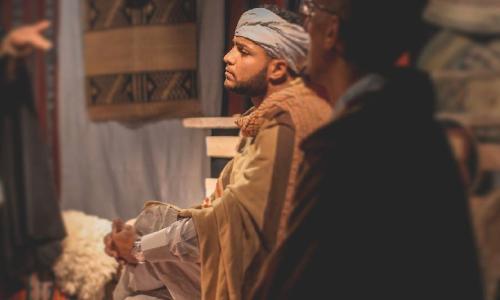
قسم الفنون الدرامية
تخصص - شعبة التمثيل والإخراج شعبة: النقد والكتابة الدرامية شعبة: الديكور وتقنيات العرض

رؤية القسم:التميز والريادة في تعليم الفنون الدرامية والبحث العلمي والاستشارات على...

التفاصيل
قسم الفنون الجميلة والتطبيقية
تخصص - شعبة التربية الفنية. - شعبة الرسم والتصوير. - شعبة الخزف والزجاج. - شعبة النحت والترميم. - شعبة التصميم الإعلاني. - شعبة التصميم والطباعة. - شعبة النسيج

...

التفاصيل

من يعمل بـكلية الفنون والإعلام

يوجد بـكلية الفنون والإعلام أكثر من 89 عضو هيئة تدريس

staff photo

د. عرفات الكامل السني الصيد

عرفات السني هو احد اعضاء هيئة التدريس بقسم الفنون الموسيقية بكلية الفنون والإعلام. الدرجة العلمية ( استاذ مساعد ) يعمل الدكتور عرفات السني بجامعة طرابلس كـمحاضر منذ 2015-08-24 وله العديد من المنشورات العلمية في مجال تخصصه

منشورات مختارة

بعض المنشورات التي تم نشرها في كلية الفنون والإعلام

Dogmatism and its Impact on the Libyan Theatre

Summary of the Thesis Dogmatism and its Impact on the Libyan Theatre By Mohamed M. Z. Eghmea Theatre is an art related to the current, collective mental operations, phenomenon governing its community tracks and relationships and its individuals belief systems and directly – to regimes nature, ideology, beliefs and community values common in human communities whether in Europe or Arab communities, according theatre was characterized by multi trends and schools that were, in a form or another a result of organization or system of values and beliefs common in these communities. When Europe fell under church's sovereignty and religious control in its lagging ages, Galileo and other scientists were not the only victims of dogmatic mind of Pious men who contested every opinion disagreeing with their religious belief considered by some as unerring, theatre was forbidden, because they felt that it might affect their postulations and destroy their fortified belief, for that theatre was forbidden as disagreeing with church values and believes, western churches called for depriving Christian actors and actress of ritual practice and evicted them from church, kings and empires allied with church regarding forbidding acting, this position continued till the 16th century. Theatre collision with dogmatic values and beliefs organization was not limited to Europe in its lagging ages, rather theatre conflict with belief non flexibility extended to non flexible beliefs of human communities with all their cultures, races and ideologies and all religions and beliefs all over the theatre history, yet the main difference was in degree of unity of dogmatic fanaticism between one community and another, and one regime and another a phenomenon unlimited to a certain field, but extends to all political, economic, social, cultural and technical areas. Dogmatic mentality is common in our Arab communities and may take more acute and extremist form compared to another communities, if considering its effects on most of Arab communities, and Arab communities reaching to losing coexistence factors and accepting the other whether at religious, political or social level, some thinker believe that this phenomenon was aggravated and became one of the most important Arab mind restrictions towards development and creation due to subjection to mental and belief non flexibility. The common religious or political belief is having the absolute fact and every party pretends to be absolutely right, and that its values and beliefs are indisputable and that any different trend is mistaken, and according to the same strength through which dogmatic is cleaving to its ideology constituting its belief organization, it, by the same mental strength refuses any other or different ideology. Accordingly dogmatic mentality was the result of wars and bloody conflicts with holders of other beliefs and ideology, due to dogmatic mentality control over conflicting parties and every party insists that it has the absolute fact and surrounds it with a hallo of holiness and forbidding, accordingly using violence to defend their beliefs was justified because tolerance and accepting the other or changing ideology or belief according to surrounding variables is strongly refused by the common dogmatic mentality. As theatre is an art related to collective mentality ideology and the common belief organization, dogmatism affected the theatre product, this study discussed effects of dogmatic values and beliefs organization on Libyan theatre through its different history. Libya knew theatre art since the beginning of twentieth century, through this period Libya witnessed important political changes since Ottoman occupation, passing through Italian and British occupation till the post-independence, every stage had its closed belief system that affected the collective awareness and cultural and technical product as the study followed the effect of Libyan theatre through different values and beliefs systems that controlled literary, artistic and culture discourse for every historic stage in Libya by analyzing applied forms theatrical texts. Accordingly the problem of study of identifying effect of organization or system of demographic values or beliefs on the Libyan theatre through its history is clear, and every historic stage had a value and belief system meets the ruling authority's trends and ideology beginning from Turkish theocratic occupation that ruled under name of religion, followed by Italian occupation through which a mono trend systems dominated including ownership and Totalitarian Power, the Libyan theatre was subject to ideological trends depended on the regime organization and historically the study followed up theatrical artistic products of these stages as well theatrical movement activity in general, and displaying applied examples of some theatrical texts to reach a scientific explanation of effect of belief non flexibility, dogmatism on the Libyan theatre, and how far Libyan authors are attracted to or opposing dogmatic values and beliefs organization governing artistic and media discourse. The study chapters include an introduction, conclusion and four chapters, chapter one: titled (Dogmatism) its concept and relationship to theatre, the researcher discusses dogmatism in terms of origin, concept and relationship to theatre as a modern concept meeting nature clarifications, its definition, discussing the term origin and development and following up its contemporary concept through thinkers and philosophers opinions who studied and analyzed the phenomenon beginning with its establisher, the U.S scientist Milton Rokeach who included it in his book the open and the closed mind, "Milton RoKeach" was the first theorist and researcher who introduced this terminology to humanitarians, indicating that dogmatism is not limited to a certain scientific or cognitive field, rather may cognitive and creative scientific fields. In Chapter Two: titled (Libyan theatre between theocratic dogmatism and dogmatic fascism) in which the researcher discussed Ottoman, Italian and British occupation to Libya, and how far Libyan theatre is affected by values organization that governed during foreign occupation, whether religious effect under Turkish occupation or what was known by Ottoman Caliphate as well as what was faced by the Libyan theatre under Italian fascist occupation that affected the Libyan theatrical product and theatrical movement in general in its beginning. Chapter Three: titled (Libyan theatre and post independence political changes) the period extended for about 5 centuries between Royal regime and Gaddafi regime that over through royalty, the so called first of September revolution through which theatre was active at the level of quantity and quality, but theatrical works contents remained unlimited by the nature of every stage while royal regime was cleaving to beliefs and ideologies opposing Nasirist national and revolutionary extension in the 1995 and the 1960, the succeeding system was completely different so that national demographic and motivating discourse controlled over ideological discourse of this stage and most of author's texts met the prevailing discourse and any author tried oppose dogmatic beliefs was chased and even in prison, to clarify ideological violence more extreme than before. In chapter Four: title (applied examples of texts from Libyan theatre) the researcher analyzed some theatrical texts examples for some authors clarifying effects of dogmatic values and beliefs on some theatrical authors products, the researcher discussed examples of theatrical texts written to market and promote the ruling authority's ideology to meet dogmatic values and beliefs of the regime as well as examples that tried to cross demographic barriers and dealing with taboos, also the study identifies the effect of demographic beliefs an artistic and dramatic aspects to build the dramatic text then the researcher discusses the study conclusion and results and recommendations reached by. Of the most Important Study Results: First: Dogmatism affected the Libyans authors in terms of subjects and theatrical works artistic structure which was a case of theatrical text crises and emergence of dogmatic theatre which focused on direct political motivation and propaganda at the expense of theatrical work artistic value. Second: violence imprisonment and exile was the main method of dogmatic mentality for authorities rules Libya to deter authors and theatrical artists who tried to remove dogmatic barriers and cross taboo, religiously and politically. Third: Converting the theatre during most of seasonal festivals to just a media to market and promote the ruling authority's ideology and beliefs, due to agreement between number of authors and dramatists with the authority's dogmatic organization as well as theatre's subjection to control prohibiting displaying anything disagreeing with the ruling authority's beliefs. Fourth: in most cases, beliefs dramatists abandoned theatricality for ideology; some authors were not hesitated in changing historic facts in texts inspired by history to agree with the authority's beliefs and theories. Fifth: Dogmatic mentality restricted theatrical art development in home due to believing in having the absolute fact, answers ready for every human problems and insisting on marketing and enforcing the ruling authority's belief organization. ***
Mohamed M. Z. Eghmea(1-2017)
Publisher's website

التكوين في بنائية اللوحة التشكيلية الليبية المعاصر

موضوع الدراسة : التكوين في بنائية اللوحة التشكيلية الليبية المعاصرةالفصل الأول : ويشمل موضوعات خطة البحث الفصل الثاني :المفردات البصرية في بنائية اللوحة التشكيلية ومقومات التكوين يتطرق هذا الفصل إلى دراسة العناصر الأساسية للتكوين والتي تبدأ في أساسها من النقطة التي تعتبر العنصر الأول الذي يقوم برسمه الفنان التشكيلي على سطح اللوحة ، ويأتي بعدها الخط الذي يتكون من امتداد النقطة في اتجاه معين وحركة معينة مكوناً أنواع متعددة من الخطوط سواء كانت منكسرة أو منحنية أو مستقيمة وفقاً للحالة النفسية للفنان التي تتحدد عن طريق الخاصية السيكولوجية والتعبيرية للخط . كما يتناول هذا الفصل الشكل الذي يتكون من تراكب الخطوط في اتجاهات معينة ، و الذي يكون شكلاً موجباً أو سالباً ، حيث أن الخطوط والأشكال لا بد وأن يكون لها مساحة سواءً أكانت سالبة أم موجبة تنظم عليها هذه الأشكال ، بالإضافة إلى دراسة المنظور وقواعده الأساسية و انواعة وتنظيم الأشكال داخل الفراغ المنظوري ، وما يترتب علية من انعكاساة منظوريه داخل الصورة ، ويتناول هذا الفصل أيضاً الضوء وأنواعه ومصادره و اهميتة واستخداماته في مختلف العصور ،وما تعكسه الأضواء من ظلال مختلفة حقيقية أو خيالية ،والتي تؤدي وظيفة لها دورها التعبيري داخل اللوحة كما يقوم بدراسة الألوان من الناحية الفيزيائية والفنية وما يترتب عليها من تغيرات وتأثيرات ضوئية وظليه على الخطوط والإشكال على مساحة اللوحة ، و التي تنقلنا لدراسة اللون و الملمس من خلال التقنية والمواد المستخدمة التي لها تأثيرها في بناء اللوحة ، كما أن لها تأثيراً بصرياً يتحدد من خلاله نوع الملمس وعلاقته باللون وباقي العناصر التشكيلية الأخرى إن كل هذه العناصر والمفردات لابد أن يكون لها مقومات هامة تساند وتقوي عملية التكوين ، هذه المقومات هي التي تثري القيمة الجمالية للوحة ، لأن لها ارتباط وثيق بهذه العناصر ، فهي تعمل على توزيع العناصر داخل اللوحة وفقاً لقواعد بنائية أكد عليها علماء الفن ونقادة عبر العصور من العصر البدائي إلى العصر الحديث ، لذلك انقسمت الدراسة في هذا الفصل إلى جزأين جزء يختص بدراسة العناصر وجزء يختص بدراسة المقومات التي تعمل على توزيع العناصر بناءاً على رؤية جمالية عقليه بنائيه تقودنا في النهاية إلى الهيئة العامة للوحة أو الشكل العام للتكوين.
إسلام يونس المنصوري (2009)
Publisher's website

دور القنوات الفضائية الوطنية في التوعية بأهمية التحول الديمقراطي في ليبيا بعد ثورة 17 فبراير

إن التنوع في وسائل الإعلام ومضامينها أثّر على الحياة اليومية للأشخاص والشعوب ونمط حياتهم وعلاقاتهم ونظمهم القيمية، وهي بشكل أو بآخر تسهم في نشر المعارف والعلوم والثقافة، وتزويد الجمهور بالجديد وفي المشاركة في الحياة اليومية، وهذا شأن كل وسائل الإعلام، ولكن التلفزيون أصبح ينفرد عن وسائل الإعلام الأخرى، بل يتميز عنها بفضل الإمكانيات الكبيرة التي أتيحت له، فضلاً عن استخدامهِ أداةً فعالة في مجال البث الفضائي الذي بدأ يمارس دوراً كبيراً في شتى مجالات الحياة، لا سيما في الجانب السياسي، وهو ما أنعكس بشكل كبير على حياة المجتمع عامة، وما تضطلع به وسائل الإعلام المختلفة من وظائف جعل منها أدوات فاعلة في المجتمع يستطيع من خلالها القائم بالاتصال تحقيق العديد من الأهداف التي أصبحت تجذب الباحثين والمختصين في مجال الإعلام والسياسة والاقتصاد والمجتمع وعلم النفس وغيرها. وبسبب الارتباط العميق بين علم الاتصال وعلم السياسة فقد سعى القائمون بالاتصال عن طريق وسائل الإعلام إلى توظيف برامج التلفزيون خدمة للواقع السياسي في المجتمع مما يساعد على التفاعل الاجتماعي مع القضايا والأحداث السياسية التي تواجه المجتمع المحلي والإقليمي والدولي. وعلى ضوء ما تقدم يمكن تلمس دور التوعية في التلفزيون الليبي في المجالات المختلفة عامة والتحول الديمقراطي خاصة ومدى إسهامه في تزويد الجمهور بالمعلومة، وبذلك لاحظ الباحث أهمية هذا الموضوع فحدد عنوان بحثه
فرج رجب عطا الله (2016)
Publisher's website

قناة كلية الفنون والإعلام

بعض الفيديوات التي تعرض مناشط كلية الفنون والإعلام

اطلع علي المزيد