


-
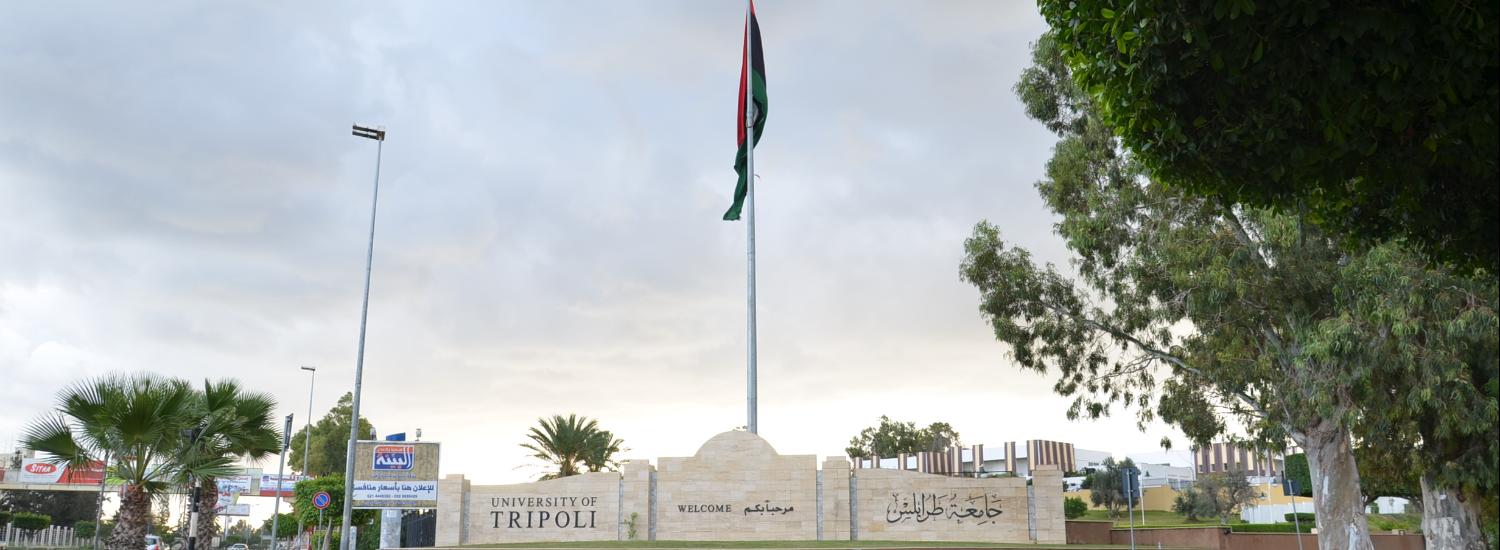
UoT Launches its new Website
Deprecated: strlen(): Passing null to parameter #1 ($string) of type string is deprecated in /home/staging/public_html/slider5.php on line 93
-

faculty of Fine Arts and Media
More ...About faculty of Fine Arts and Media
Faculty of Arts and Media
Facts about faculty of Fine Arts and Media
We are proud of what we offer to the world and the community
83
Publications
89
Academic Staff
1676
Students
0
Graduates
Programs

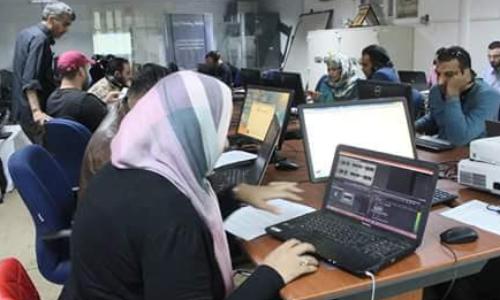

Who works at the faculty of Fine Arts and Media
faculty of Fine Arts and Media has more than 89 academic staff members

Mr. Abdulati Mohamed Taher Tubtaba
Department of Fine Arts - faculty of Fine Arts and Media

Dr. Abdulbari Mohamed Salem Madi
Department of Visual Arts - faculty of Fine Arts and Media

Mr. Ali alamari salem abdualhafid
Department of Media - faculty of Fine Arts and Media

Mr. ُIbrahim Oun Ammar alaraby
Department of Dramatic Arts - faculty of Fine Arts and Media
Mr. ُIbrahim Oun Ammar alaraby
عضو هيئة تدريس بقسم الفنون الدرامية
Publications
Some of publications in faculty of Fine Arts and Media
المقال الافتتاحيفي الصحافة العربية -الصادرة في بلاد المهجر
إن حاجة القارئ اليوم إلى الوقوف على دقائق الأمور المتعلقة بكافة المستويات السياسية والاقتصادية والاجتماعية، وعلى مختلف الأصعدة المحلية والعربية والعالمية، جعل وسائل الإعلام تسعى جاهدة لتوفير الحد الأدنى من المعرفة الضرورية، والتي أهمها حاجة الإنسان إلى معرفة ما يدور حوله، وحاجته إلى الرأي السديد السليم. والصحافة باعتبارها وسيلة رائدة من وسائل الإعلام الجماهيري قامت ولا زالت تقوم بأداء وظيفتها الإرشادية والإخبارية والتوجيهية منذ بداياتها الأولى، فالصحافة قوة مؤثرة تستمد فاعليتها من قوة الكلمة التي تستقر في عقول وأذهان القراء وبقوة الكلمة توجه الصحافة حياة الأمم، والصحافة تقوم برصد لحركة المجتمع يوماً بيوم ومدى تطورها من خلال أدبيات الصحافة، وأهمها المقال الافتتاحي الذي يستمد فاعليته من قوة الرأي الصريح والرأي السليم لتصحيح أو تعديل مسارٍ ما. عليه فإن إشكالية هذه الدراسة تتمحور في معرفة واقع واتجاهات الصحافة العربية الصادرة بالمهجر عبر رصد توجهات المقالات الافتتاحية الصادرة بها، حيث تبرز أهمية طرح هذه المشكلة من حيث محاولتها الإجابة عن مجموعة من التساؤلات وذلك بغية تحقيق الأهداف التالية:أولاً: ما يتعلق بالمقال الافتتاحي، ويشمل التعريف بالمقال الافتتاحي وتحديد أساليبه وخصائصه ووسائل نشره وتوضيح البناء الفني " الصحفي " له ودوره ووظائفه في الصحافة الصادرة بالمهجر وكيف يرى الكاتب أهمية المقال الافتتاحي.ثانياً: ويتعلق بالصحافة الصادرة بالمهجر، وأبعاد هذه الظاهرة من حيث الصدور من قطر عربي إلى آخر أو الصدور خارج الوطن العربي، وهل هي صحافة مهجر أم صحافة دولية، ومعرفة طرق تمويل هذه الصحافة والتعرف على أهمية الدور الذي يلعبه المقال الافتتاحي في صحف المهجر.ثالثاً: أما فيما يتعلق بالجانب التحليلي المكمل للجانب النظري فتمثلت الأهداف في التعرف على الموضوعات والأحداث الحاضرة في المقالات الافتتاحية وأي المناطق الجغرافية الحاضرة بأحداثها أكثر من غيرها إضافة إلى أساليب الإقناع المستخدمة في هذه المقالات لصحيفتي الدراسة والتحليل.رابعاً: أما الجانب الميداني فأهم أهدافه تكمن في معرفة رأي كاتبي المقال الافتتاحي لصحيفتي الدراسة والتحليل حول دور المقال الافتتاحي وأهميته في صحف المهجر، وتقييم صحافة المهجر وماذا أضافت للصحافة العربية عموماً، ودورها إزاء المتلقي العربي، وما أقرب الأساليب لإقناع القارئ والوصول إلى نقطة اهتمامه، بالإضافة لمعرفة ردود أفعال القارئ التي تصل الكاتب، وأيضاً دور الحكومات العربية في هذا الطرح، وما نوع المتلقي الذي يسعى الكاتب إليه، وهل هناك عودة قريبة لهذه الصحف لتصدر من داخل الوطن العربي. ولقد استعان الباحث بنظرية حارس البوابة التي تقوم على أن المرحلة التي تقطعها المادة الإعلامية حتى تصل إلى الجمهور المستهدف توجد نقاط وبوابات يتم فيها اتخاذ قرارات بما يدخل وما يخرج، وكلما طالت مراحل الأخبار حتى تظهر في الوسيلة الإعلامية تزداد المواقع التي يصبح فيها من سلطة فرد أو عدة أفراد تقدير ما إذا كانت الرسالة ستنتقل بنفس الشكل أو بعد إدخال تعديلات عليها، ويصبح نفوذ هذه البوابات له أهمية كبيرة في انتقال المعلومات، ونظرية انتقال المعلومات على مرحلتين التي تقوم على أساس أن الاتصال هو مجرد سلسلة متصلة من الحلقات حتى تصل إلى المتلقي. ولقد كانت حدود هذه الدراسة متمثلة في المجال البحثي والذي اشتمل على المقال الافتتاحي وصحافة المهجر، وعلى أعداد من صحيفتي العرب والقدس العربي الواقعتان ضمن مجتمع الدراسة المتكون من 658 عدداً ثم اختيار 48 عدداً من كل صحيفة منها كعينة، والمجال البشري المتمثل في القائم بالاتصال وهما كاتبا المقال الافتتاحي في العرب والقدس العربي، والمجال الزمني للدراسة والذي يقع في الفترة الزمنية ما بين 3- 1- 2004 إلى 31- 12- 2004، حيث تم فيه تحليل مضمون المقال الافتتاحي لصحيفتي العرب والقدس العربي كلاً على حدة مدة سنة واحدة، بواقع عدد من كل 6 أعداد للعرب، وعدد لكل سبعة أعداد للقدس العربي.
صلاح علي القدار (2006)
Publisher's website
صلاح علي القدار (2006)
تناول الفضائيات العربية الدينية لقضايا التطرف في الدين واتجاهات الشباب الليبي نحوه
إن عمل القنوات الفضائية عمل يتسع مداه يوما بعد يوم, نتيجة للرسالة التي يحملها هذا المرفق الهام تجاه النهضة العامة فى البلاد، والتي جعلت منها الوسيلة الأكثر تأثيرا على الجماهير, فالخصائص التي تنفرد بها القنوات الفضائية عن غيرها من وسائل الاتصال الأخرى تجعل منها وسيلة مهمة من وسائل الاتصال، وأكثرها تأثيرا على عقول الجماهير, وأداة رئيسة تستخدم بشكل فعال فى توعية المجتمع لقد أصبحت القنوات الفضائية,بعد امتلاك معظم الناس لهذه الوسيلة الهامة, وانتشارها بشكل متسارع في معظم أنحاء العالم, نافذة من نوافذه الواسعة التي يطل الناس منها على العالم الخارجي. ومع الفوائد الإعلامية والثقافية والسياسية والدينية والاجتماعية للاستقبال الفضائي المباشر عبر الأقمار الصناعية التي لا حصر لها, فإنه يبقى له أيضا تأثير سلبيي على المجتمع متمثلا في إمكانية استقبال هذا البث المباشر دون رقيب, الأمر الذي قد يؤدى إلى تسلل بعض البرامج ذات التأثير السلبي إلى أبنائه وخاصة الشباب المسلم ، ولا يستثنى من ذلك الشباب في ليبيا ، ينتج عنه اختراق ثقافي غربي يعيق نمو المجتمع المسلم, فأصبح لزاما عليه أن يفعل شيئا ملموسا لحماية أبنائه من هذا الاختراق, فظهرت الحاجة الملحة إلى إيجاد قنوات توفر الزاد الديني, وتحافظ على الدين الإسلامي من الضياع والاغتراب, وتساعد في تكوين المواقف والاتجاهات التي تخفف من حدة آثار تلك الاختراقات المباشرة. وبعد ظهور عدد من القنوات الدينية, شهد العالم تحولات جذرية, شكلت في حد ذاتها ثورة دينية كبيرة, كان لها تأثيرات إيجابية انعكست على حركة المجتمع وتطوره فى معظم مجالات الحياة المعاصرة، تسعى جاهده لتحقيق أهداف صادقة ونبيلة في المجتمعات الإسلامية. لكن بعد انتماء بعضها لمذاهب وطوائف متطرفة، جعل الأمر يختلف اختلافا كليا حيث سعت إلي تحقيق أهداف إيديولوجية على حساب الدين , وأعتمد أغلبها على مصادر مبهمة و اجتهادات شخصية متشددة, وعلى أراء وأفكار وتأويلات منحرفة, عززت من نشأة الفرق والجماعات ، و الأفراد الذين سلكوا سلوك الغلو والمبالغة فى تعاليم الدين الإسلامي ومبادئه السمحة, ودافعوا عن أفكارهم, وعملوا على انتشارها وفرضها باستخدام أساليب الإكراه والإخضاع, وحرصوا على استقطاب ضعاف النفوس, وعملوا على غسل مخ هؤلاء بحيث خذروا عقولهم وجعلوهم في حالة الغير وعي, يفقدون حرية الاختيار ويصبحون مسلوبي الإرادة, ليتقبلوا بعد ذلك كل ما يرسل لهم بعد هذا الضغط النفسي والإكراه الفكري إن الجماعات المتطرفة التي تظهر وتنمو تشكل خطراً حقيقياً على المجتمع, وخاصة بعد توفر الأرضية الخصبة لها و إمكانية جذب الشباب بسهولة ويسر.ومن خلال متابعة البرامج العامة للقنوات الفضائية, وبالتحديد القنوات الدينية, تساءلت الباحثة عن دور هذه القنوات في حماية هذا الدين من سيطرة بعض الآراء والأفكار المتطرفة علي عقول الشباب المسلم, ومن حملات بعض الجماعات المتشددة التي تشهدها كثير من دول العالم الإسلامي, فرأت الباحثة أن هناك غموضاً في تحقيق هذه الأدوار من قبل تلك القنوات. أن تعدد القنوات الفضائية الدينية وانتشارها أدى في واقع الأمر إلى تعدد واختلاف تفسير بعض الآراء والأفكار حول الأمور الدينية كل حسب سياسته وتوجهاته, وفي كثير من الأحيان يصبح عقل الإنسان عاجزا عن تكوين الرأي السليم, وكيف يتأتى له ذلك وهو واقع بين سيل منهمر متنوع ومختلف من المعلومات والآراء والأفكار المتناقضة,في أسانيدها وتفسيراتها ومبرراتها وتلهث وراء مصالح خفية. إذ تشاهد وتستمع لفتوى تحرم هذا الشيء هنا وأخرى تحلله هناك, وهذا عمل يبطل هنا ويستباح هناك, وهذا رأى يؤكد هنا وينفى هناك, وهذا عمل يكفر هنا ويثاب عليه هناك, وهذا يدعو إلى الحوار مع الآخرين وذلك يدعو إلي المقاطعة,مما قد يؤدى إلى الحيرة وضياع الحقيقة وتشتت أفكار المتلقي وعدم إدراكه لحقيقة هذه القنوات الفضائية الدينية وشفافيتها وصدقها. إن دور القنوات الفضائية الدينية في تحفيز عقلية المسلم على الخلاص من الآراء والأفكار المتشددة التي تكبله وتمنع عنه حق التفكير, و تحميه من الأفكار الهدامة التي يتعرض لها باستمرار, مازال محل تساؤل وغموض واستناداً لما ذكر سابقا رأت الباحثة دافعا قويا في اختيار هذا الموضوع للدراسة العلمية وما سيترتب عليه من معرفة كيفية تناول القنوات الفضائية الدينية لقضايا التطرف في الدين، ودراسة اتجاهات الشباب بصفة خاصة نحو هذه القنوات الفضائية، وقد بلورت الباحثة مشكلة الدراسة في التساؤل التالي: كيف تم تناول قضايا التطرف في الدين في قناتي اقرأ والناس ؟ وما اتجاهات الشباب الليبي نحوه ؟ تكمن أهمية هذه الدراسة في معرفة اتجاهات الشباب الليبي نحو القنوات الفضائية الدينية ومدى تأثرهم بما يقدم فيها من مضامين ، إلى جانب أنها تتناول قضية غاية في الأهمية - محليا وعالميا - التطرف في الدين, الذي يزداد نموه وانتشاره في العالم الإسلامي, ويحظى باهتمام كافة مؤسساته الدينية والسياسية والاجتماعية، و تقدم هذه الدراسة مقترحات ونتائج, من شأنها إن تساعد في الوصول إلي أهم الإجراءات السياسية والدينية لمواجهة ظاهرة التطرف الديني-وتهدف هذه الدراسة إلى التعرف على قضايا التطرف في الدين في القنوات الفضائية الدينية, ومحاولة معرفة رؤية الشباب لمفهوم وقضايا التطرف الديني, وفى ضوء هذا الهدف الأساسي سعت الدراسة إلى تحقيق مجموعة من الأهداف الفرعية كمعرفة مدى الاهتمام الذي توليه القناتان المتمثلة فئ قناتي اقرأ والناس الدينيتين لقضايا التطرف الديني ، والكشف عن أهم القنوات الفضائية الدينية التي تحضى باهتمام الشباب في مدينة طرابلس، وتوضيح مدى توافق عرض وتحليل قضايا التطرف في الدين في القنوات الفضائية الدينية مع أراء واتجاهات الشباب نحو القضية .ولتحقيق تلك الأهداف طرحت الباحثة تساؤلات عدة تتعلق بالجانبين التحليلي و الميداني ومرتبطة ارتباطاً مباشراً بالأهداف ومن أبرزها : ما مفهوم التطرف في الدين ؟ وما أسبابه؟ وما القضايا التي أبرزتها القنوات الفضائية الدينية موضع الدراسة على أنها تطرف في الدين؟ وما المصادر الشرعية التي اعتمدت عليها القنوات الفضائية الدينية في طرحها لقضايا التطرف في الدين؟ وما البيئة الجغرافية التي تم التركيز عليها أكثر في قناتي الدراسة عند تناول قضايا التطرف في الدين؟ وما رؤية الشباب الليبي لمفهوم التطرف في الدين ؟ وما الأسباب التي يرى بعض الشباب الليبي أنها تؤدى إلى التطرف في الدين ؟ وما عدد ساعات المشاهدة التي يقضيها أفراد عينة الدراسة في مشاهدة القنوات الفضائية الدينية؟ وهل أثارت القضايا المطروحة الحوار والنقاش والتحليل بين الشباب من وجهة نظر العينة؟أما فيما يتعلق بنوع الدراسة والمنهج والأدوات العلمية المستخدمة فيها، فتعد هذه الدراسة من البحوث الو صفية التي تسعى إلى الحصول على وصف كامل ودقيق لموضوع البحث, وجمع كل البيانات المتعلقة به وتحليلها وتفسيرها بقدر من الدقة والموضوعية, بغرض استخلاص نتائج ودلالات مفيدة تؤدى إلى إمكانية إصدار تعميمات بشأن الموقف أو الظاهرة موضع الدراسة ، وبناء أساس للحقائق التي يمكن إن تجيب عن تساؤلات تحقق أهداف الدراسة ،و التي من بينها استطلاع رأي الشباب الليبي نحو القنوات الفضائية الدينية، لمعرفة مدى تأثير مضمون البرامج في الفضائيات العربية الدينية على اتجاهاتهم نحو التطرف في الدين ، و استخدمت الباحثة مجموعة مناهج لتحقيق أهدافها كمنهج المسح الإعلامي ، وذلك للتعرف على أهم خصائص مجتمع الدراسة, والحصول على بيانات ومعلومات عن موضوع البحث من خلال صحيفة الاستبيان,كما استخدمت الباحثة أسلوب تحليل المضمون لعينة من البرامج التي تناولت قضايا التطرف في الدين في قناتي الدراسة، وإلى جانب المنهج السابق استخدمت الباحثة المنهج المقارن بهدف أجراء مقارنة بين قناتي الدراسة لمعرفة مدى اهتمام كل منها بالقضايا الخاضعة للتحليل ، والوقوف على حجم المعالجة لكل منهما على حده, ومعرفة مدى توافق واختلاف عرض وتحليل قضايا التطرف في قناتي الدراسة مع أراء واتجاهات الشباب الليبي نحو هذه القضايا من خلال الدراسة التحليلية والميدانية، وأخيراً منهج العلاقات المتبادلة والذي يمثل أحد الطرق الرئيسية لدراسة العلاقات بين الحقائق التي تم الحصول عليها بهدف التعرف على الأسباب التي أدت إلى حدوث الظاهرة، ومعرفة جوانب الاتفاق والاختلاف المتعلقة بقضايا الدراسة . و لما كان البحث العلمي يستهدف أساساً الإجابة عن مجموعة التساؤلات, لجأت الباحثة إلى جمع البيانات عن طريق الأدوات التالية:- استمارة تحليل المضمون : صممتها الباحثة لتحليل عينة من برامج القنوات الفضائية الدينية موضع الدراسة, والتي تناولت قضايا التطرف, متضمنة مجموعة من الفئات المحددة والمعدة بغرض استخلاص نتائج تؤدى إلى إمكانية إصدار تعميمات بشأن المواقف أو الظاهرة التي تقوم الباحثة بدراستها, وبناء أسس منطقية تجيب عن تساؤلات الدراسة، ثم المقابلة الشخصية (غير المقننة) حيث قامت الباحثة بإجراء مقابلة شخصية مع بعض الدعاة والأئمة ورجال الدين من ذوى الصلة المباشرة بموضوع الدراسة لزيادة درجة التبصِر بالمشكلة, والتعرف على جوانبها المختلفة, ولاستكمال جمع البيانات والحصول على مؤشرات ودلالات عن البيانات التي لم تتضمنها قائمة الاستبيان، ( إلى جانب كل ذلك رجعت الباحثة في جمع المعلومات وتسجيلها إلى الكتب والدوريات, وإلي القنوات الفضائية المختلفة وإلي شبكة المعلومات الدولية - الانترنت- للحصول على المعلومات والبيانات المرتبطة بموضوع الدراسة) . واستمارة الاستبيان صممت بشكل يناسب الأهداف التي تسعى الباحثة للوصول إليها، كما راعت الاعتبارات المنهجية المطلوبة عند تصميمها للاستمارة, وقامت بتحديد نوعية وكمية البيانات التي تريد جمعها وذلك بعد المراجعة الدقيقة لمشكلة الدراسة وتساؤلاتها وما تسعى للحصول عليه من معلومات واستفسارات معينة-إما الفصل الثاني اعتمدت فيه الباحثة على مبحثين الأول بعنوان الإعلام والتطرف في الدين، والثاني بعنوان التطرف في الدين .. المفهوم والأسباب.ويتناول الفصل الثالث الإجراءات المنهجية لتحليل المضمون ،حيث أجريت الدراسة التحليلية علي شكل ومضمون عينة من برامج القنوات الفضائية الدينية العربية والمتمثلة في قناتي ( اقرأ- الناس) لمدة دورة إذاعية واحدة، خلال الفترة من 1/1 /2009حتى 31/3/2009ف ، وقد تم اختيار عينة الدراسة وفق أسلوب الأسبوع الصناعي لبعض البرامج والمسح الشامل للبعض الآخر ليبلغ إجمالي حلقات عينة الدراسة من قناتي اقرأ والناس الفضائيتين ( 99) حلقة ، وقد اتبعت الباحثة الخطوات التالية :تحديد البرامج الدينية الحوارية في قناتي اقرأ والناس الفضائيتين، وقد بلغ عددها (122) برنامجاً موزعة على النحو التالي : ( قناة اقرأ 64 برنامجا) و ( قناة الناس 85 برنامجا) .قامت الباحثة بتسجيل كل البرامج الحوارية التي قدمتها القناتان خلال دورة إذاعية واحدة، والتي بلغ عددها (20) برنامجا حواريا في قناة اقرأ و(18) برنامجا حواريا فى قناة الناس، وبعد مشاهدتها مشاهدة أولية، تم تحديد البرامج التي تتناول قضايا الدراسة، وكان عددها (5) برامج بقناة اقرأ و (4) برامج بقناة الناس. ونظرا لاستبعاد البرامج الحوارية اليومية في قناة اقرأ من عملية التحليل لعدم تناولها قضايا التطرف في الدين نهائياً، قامت الباحثة بمسح شامل لجميع البرامج الحوارية الأسبوعية التي تتناول قضايا التطرف، وقد بلغ عددها (5) برامج.و قامت الباحثة عند اختيار عينة من برامج قناة الناس باستخدام العينة العشوائية المنتظمة بالاعتماد على ما يعرف بأسلوب ( الأسبوع الاصطناعي) ، وقد بلغ عددها (4) برامج، وبذلك بلغ حجم العينة الكلي للقناتين (9) برامج، و (99) حلقة، استغرقت من الزمن (132) ساعة، أي أن حجم العينة يقرب من ربع المجتمع الكلي لقناتي الدراسة.إما الدراسة الميدانية فقد أجريت على عينة من الشباب بمدينة طرابلس ،باستخدام العينة العشوائية النسبية ، وتحديدا الشباب من سن (15حتى 35) ، المترددين على المساجد ، و المتتبعين للقنوات الدينية ، موزعين على (5) مناطق رئيسية مكونة لشعبية طرابلس وهى (حي الأندلس- سوق الجمعة- طرابلس المركز- أبو سليم- تاجوراء) ،وذلك بتوزيع استمارات الاستبيان على عينة من المبحوثين بلغ عددها 500 مبحوثاً. وقد اتبعت الباحثة في اختيارها لعينة الدراسة الميدانية الخطوات التالية :حصلت الباحثة على إحصائية بعدد الشباب في شعبية طرابلس موزعين على المناطق الواقعة في نطاقها- وهو مايطلق عليها في ليبيا (مؤتمرات أساسية)، حسب إحصاء سنة 2006ف، ونظرا لكبر حجم مجتمع البحث الأمر الذي يتعذر معه دراسة عينة كبيرة نسبيا, استعانت الباحثة بالمعادلة الرياضية التي تستخدم عادة في حالة زيادة حجم المجتمع عن 10.000 مفردة-ونظرا لصعوبة دراسة جميع المساجد في مدينة طرابلس ، ارتأت الباحثة توزيع استمارة الاستبيان على عدد المساجد على حسب عدد عينة الدراسة في كل المناطق الرئيسية ، بطريقة العينة العشوائية ، مع مراعاة التوزيع الجغرافي لهذه المساجد .وقد تم توزيع استمارة الاستبيان عن طريق مندوبين، من الهيئة العامة للأوقاف، حيث حرصت على القيام بالاجتماع بأعضاء فريق الدعاة وإعطائهم التعليمات اللازمة وحددت لكل منهم حصته من أفراد مجتمع البحث وإعطائهم نسخ الاستبيان وشرحت لهم كيفية ملء البيانات وهدف البحث وغير ذلك من الخطوات والإجراءات، وبناء على ذلك تم توزيع( 500 ) استمارة استبيان، والجدول التالي يبين عدد الاستمارات ، والفاقد، والمسترجع منها.الفصل الرابع عرض وتحليل البيانات ، ويبدأ هذا الفصل بشرح وعرض وتحليل بيانات الدراسة التحليلية والميدانية في نوعين من الجداول وهى الجداول البسيطة والجداول المزدوجة لشكل ومضمون قضايا التطرف الديني الخاضعة للدراسة والتحليل و الجداول البسيطة والمركبة للدراسة الميدانية، واختتمت الدراسة بالفصل الخامس المتضمن، الخلاصة، وأهم النتائج والتوصيات والمراجع والملاحق.
سهام محمد الهاشمي (2010)
Publisher's website
سهام محمد الهاشمي (2010)
USAWIRI WA UJINSIA KATIKA FILAMU: UCHUNGUZI WA MATUMZI YA LUGHA KATIKA FILAMU ZA STEVEN KANUMBA
ITHIBATI
Aliyeweka saini hapa chini anathibitisha kuwa ameisoma Tasnifu hii iitwayo: “Usawiri wa Ujinsia Katika Filamu: Uchunguzi wa Matumzi ya Lugha Katika Filamu za Steven Kanumba”, na kupendekeza ikubaliwe na Chuo Kikuu Huria cha Tanzania kwa ajili ya kukamilisha masharti ya Digrii ya Umahiri katika Kiswahili ya Chuo Kikuu Huria cha Tanzania.
________________________
Prof. Emmanuel Mbogo
(Msimamizi)
Tarehe: _________________
HAKI MILIKI
Haki ya kunakili tasinifu hii inalindwa na Mkataba wa Berne, Sheria ya Haki ya Kunakili ya mwaka 1999 na mikataba mingine ya sheria za kitaifa na kimataifa zinazolinda mali za kitaaluma. Haki zote zimehifadhiwa. Hairuhusiwi kuiga au kunakili kwa njia yoyote ile, iwe ama kazi nzima au sehemu ya Tasnifu hii, isipokuwa shughuli halali, kwa ajili ya utafiti, kujisomea, au kufanya marejeo ya kitaaluma bila kibali cha maandishi cha Mkuu wa Kurugenzi ya Taaluma za Uzamili kwa niaba ya Chuo Kikuu Huria cha Tanzania.
IKIRARI
Mimi Ahmad Abdalla Suwed, nathibitisha kwamba tasinifu hii ni kazi yangu ya halisi na kwamba haijawahi kuwasilishwa na haitawasilishwa katika Chuo Kikuu kingine kwa ajili ya Digrii yoyote.
Saini _______________________
Tarehe _______________________
TABARUKU
Natabaruku kazi hii kwa wazazi wangu kwa mapenzi yao kwangu na kunisomesha hadi leo nimefikia hatua hii kitaaluma.
SHUKRANI
Kwanza kabisa kabla napenda kutoa shukurani zangu kwa Mwenyezi Mungu Allah Subhanahu Wataalah kwa kunijaalia afya njema kipindi chote cha masomo yangu, kunipa nguvu, uwezo, akili, busara na maarifa katika kipindi chote cha masomo yangu ya uzamili. Nasema kwa unyenyekevu mkuu, Alhamdulillah Rabbilaalamina.
Pili, shukurani za pekee ni kwa wazazi wangu kwa kunizaa, kunilea, kunisomesha. Kwa uvumilivu wao kuwa mbali nami hasa katika kipindi chote nilichoishi Tanzania kwa ajili ya masomo yangu ya uzamili. Nawaombea maisha marefu yenye afya na baraka tele!
Tatu, napenda kutoa shukurani zangu za dhati kwa Msimamizi wangu Prof. Emmanuel Mbogo kwa kunilea kitaaluma na kunikuza katika misingi ya nadharia na vitendo katika fasihi ya Kiswahili. Kunifunza na kunipa miongozo juu ya filamu. Namuombea afya njema na maisha marefu ili walio azidi kuwa hazina ya taaluma kwa wenye kiu ya kuitafuta.
Nne, napenda kuwashukuru wahojiwa wangu wote walioshiriki katika utafiti huu kwa ukarimu na ushirikiano walionipa kipindi chote nilichokuwa uwandani. Nitakuwa mchahe wa fadhira nisipotoa shukrani zangu kwa watanzania wote walionifunza Kiswahili nikaweza kuishi bila shida Tanzania. Namshukuru Bi. Hadija Jilala kwa kunifunza lugha ya Kiswahili na kunipa changamoto za kitaaluma juu ya filamu ya Kanumba na hasa mswada wake wa Kanumba na Fasihi ya Kiswahili ambao ulinipa chachu ya kutafiti eneo hili kwa kutumia filamu za Kanumba. Nitakuwa mchache wa fadhira nisipotoa shukurani kwa wanaidara wote wa idara ya lugha na fasihi kwa maoni na miongozo yao hadi leo nimefanikiwa.
IKISIRI
Utafiti huu unahusu usawiri wa ujinsia katika filamu uchunguzi wa matumizi ya lugha katika filamu za Steven Kanumba. Lengo kuu la utafiti huu ni kuchunguza usawiri wa kijinsia katika lugha ya filamu za Steven Kanumba ili kuona ni jinsi gani lugha inatumika kusawiri masuala ya kijinsia katika jamii. Utafiti huu ulitumia mbinu nne za ukusanyaji data ambazo ni; maktaba, usaili, dodoso na majadiliano ya vikundi. Sampuli ya utafiti huu iliteuliwa kwa kutumia mbinu ya; madhumuni maalum na utuezi nasibu wa sampuli. Utafiti huu umegundua kuwa, filamu za Kanumba zimetumia lugha kwa namna ambayo inasawiri mahusiano ya kijinsia katika jamii mbalimbali hususani jamii ya Watanzania na Afrika. Matokeo ya utafiti huu yamebainisha kuwa Kanumba katika filamu zake ametumia zaidi kejeli na dhihaka kuliko vipengele vingine vya lugha. Matumizi ya kejeli na dhihaka yanaonyesha ndiyo mbinu ya kifani inayotawala kazi za Kanumba. Utafiti huu umedhihirisha kuwepo kwa usawiri wa mwanamke kwa namna mbalimbali. Katika kazi za fasihi za Kanumba imedhihirika kwamba mwanamke anasawiriwa kama mama, chombo cha starehe, kiumbe dhaifu na tegemezi, kiumbe kisichokuwa na maamuzi binafsi, chanzo cha matatizo, msaliti, na ni kiumbe mvumilivu na mnyenyekevu.
Utafiti huu pia umebaini kuwa, matumizi ya lugha katika filamu za Steven Kanumba yanadhihirisha tofauti baina ya mwanamke na mwanaume katika jamii. Imegundulika kuwa kuna mahusiano tofauti baina ya mwanamke na mwanaume. Tofauti ya mahusiano haya imejengeka katika misingi ya kijamii ambapo tangu awali jamii inawaona wanaume ni tofauti na wanawake.
YALIYOMO
ITHIBATI ii
HAKI MILIKI iii
TABARUKU v
SHUKRANI vi
IKISIRI viii
ORODHA YA VIELELEZO xiii
ORODHA YA CHATI xiv
SURA YA KWANZA 1
1.0 UTANGULIZI WA JUMLA 1
1.1 Utangulizi 1
1.2 Usuli wa Tatizo 1
1.3 Tatizo la Utafiti 3
1.3 Lengo la Utafiti 4
1.3.1 Lengo Kuu la Utafiti 4
1.3.2 Malengo Mahususi 4
1.4 Maswali ya Utafiti 4
1.5 Umuhimu wa Utafiti 5
1.6 Mipaka ya Utafiti 5
1.7 Uzingativu wa Maadili 6
1.8 Matatizo ya Utafiti 10
1.9 Historia ya Kanumba 10
1.9.1 Sehemu Ifuatayo Inaonyesha Kazi Alizofanya 14
1.9.2 Tuzo Alizowahi Kupata 14
1.9.3 Tawasifu ya Kanumba (Kaiandika Mwenyewe) 14
1.10 Muundo wa Tasnifu 17
1.11 Hitimisho 18
SURA YA PILI 19
2.0 MAPITIO YA MAANDIKO NA KIUNZI CHA NADHARIA 19
2.1 Utangulizi 19
2.2 Historia ya Filamu Afrika 19
2.3 Historia na Maendeleo ya Filamu Nchini Tanzania 21
2.3.1 Filamu Kipindi cha Ukoloni 22
2.3.2 Filamu Baada ya Ukoloni 23
2.4 Tafiti Tangulizi Kuhusu Filamu 26
2.5 Vipengele vya Lugha 27
2.5.1 Tamathali za Semi 27
2.5.2 Sitiari 28
2.5.3 Tashibiha 30
2.5.4 Tashihisi 30
2.5.5 Ishara 31
2.6 Tafiti za Lugha Katika Kazi za Fasihi 31
2.7 Mwega wa Kinadharia 34
2.8 Hitimisho 36
SURA YA TATU 37
3.0 MBINU ZA UTAFITI 37
3.1 Utangulizi 37
3.2 Eneo la Utafiti 37
3.3 Kundi Lengwa 38
3. 4 Sampuli na Mbinu za Uteuzi wa Sampuli 40
3.4.1 Uteuzi wa Madhumuni Maalumu 40
3.4.2 Uteuzi Nasibu 42
3.7 Utafiti Tangulizi 45
3.7 Mbinu za Ukusanyaji wa Data 50
3.7.1 Mbinu ya Maktaba 51
3.7.2 Mbinu ya Usaili 52
3.7.3 Mbinu ya Dodoso 54
3.7.4 Mbinu ya Majadiliano ya Vikundi 55
3.8 Zana za Kukusanyia Data 56
3.9 Uchambuzi wa Data 57
3.10 Hitimisho 58
SURA YA NNE 60
4.0 UWASILISHAJI NA UCHAMBUZI WA DATA 60
4.1 Utangulizi 60
4.2 Muhtasari wa Filamu Zilizofanyiwa Uchunguzi 60
4.2.1 Moses 60
4.2.2 My Valentine 61
4.2.3 Johari 61
4.3 Kubainisha Vipengele vya Lugha Katika Filamu za Kanumba 62
4.4 Mdafao na Ujitokezaji wa Vipengele vya Lugha 62
4.5 Usawiri wa Ujinsia katika Filamu za Kanumba 65
4.6 Usawiri wa Nafasi ya Mwanamke Katika Filamu za Kanumba 71
4.6.1 Mwanamke Kama Mama 72
4.6.2 Mwanamke Kama Chombo cha Starehe 74
4.6.3 Mwanamke Kama Kiumbe Dhaifu na Tegemezi 76
4.6.4 Mwanamke Kama Kiumbe Kisichokuwa na Maamuzi Binafsi 78
4.6.5 Mwanamke Kama Chanzo cha Matatizo 79
4.6.5 Mwanamke Kama Msaliti 80
4.6.6 Mwanamke Kama Kiumbe Mvumilivu na Mnyenyekevu 81
4.7 Tofauti ya Mwanamke na Mwanaume Katika Filamu za Kanumba 82
4.8 Hitimisho 84
SURA YA TANO 86
5.0 MUHTASARI, HITIMISHO NA MAPENDEKEZO 86
5.1 Utangulizi 86
5.2 Muhtasari wa Matokeo ya Utafiti 86
5.3 Hitimisho 89
5.4 Mapendekezo 91
MAREJEO 92
VIAMBATISHO 98
ORODHA YA VIELELEZO
Kielelezo 3.1 Washiriki wa Utafiti 44
Kielelezo 4.1 Mdafao wa Ujitokezaji wa Vipengele vya Lugha 63
Kielelezo 4.2 Matokeo Kulingana na Jinsi 68
Kielelezo 4.3 Mabadiliko ya Filamu za Kanumba Kuhusu Mwanamke 69
Kielelezo 4.5 Nafasi ya Mwanamke Katika Jamii 71
ORODHA YA CHATI
Chati 4 .1 Mdafao wa Vipengele vya Lugha Katika Filamu za Kanumba 63
Chati 4.2 Matokeo ya Dodoso 67
SURA YA KWANZA
1.0 UTANGULIZI WA JUMLA
1.1 Utangulizi
Lugha ni mhimili wa kazi yoyote ya sanaa. Watunzi wa kazi za fasihi hutumia lugha inayoambatana na utendaji wa wahusika ili kujenga, kukuza mgogoro baina ya wahusika wa tamthiliya na kupeleka simulio mbele. Sura hii ni sura tangulizi ambayo inabainisha tatizo la utafiti lililofanyiwa uchunguzi katika utafiti huu. Sura hii imegawanywa katika sehemu saba. Sehemu ya kwanza inahusu usuli wa tatizo, sehemu ya pili inaelezea tatizo la tafiti, sehemu ya tatu inahusu malengo ya utafiti, sehemu ya nne inahusu maswali ya utafiti ambayo utafiti huu ulikusudia kuyajibu na umuhimu wa utafiti. Sehemu ya tano inajadili vikwazo ambavyo mtafiti alikabiliana navyo wakati wa ukusanyaji wa data za utafiti huu. Aidha, sehemu ya sita ya sura hii inabainisha masuala ya kiitikeli (kimaadili) ambayo mtafiti aliyazingatia kabla, wakati na baada ya kukamilisha zoezi la uksanyaji data za utafiti. Sehemu ya saba inaelezea matokeo ya utafiti wa awali ambao ulifanyika kabla ya utafiti huu kufanyika.
1.2 Usuli wa Tatizo
Tamthilia ni utanzu wa fasihi ambao huwa na majibizano ya wahusika pamoja na vitendo. Kuna tamthilia andishi na simulizi; na hivyo tuseme tamthilia huweza kuwa kipengele cha fasihi andishi na simulizi (Mulokozi, 1996). Katika siku za hivi karibuni tamthilia hizi zimerekodiwa katika filamu na kuuzwa. Moja ya filamu maarufu nchini Tanzania na katika nchi nyingine za Afrika Mashariki ni filamu za Steven Kanumba. Miongoni mwa filamu zake ni pamoja na Uncle JJ, Family Tears, Wrong Marriage, Young Billionaire, Moses, My Valentine, Johari, Cross My Sin na kadhalika. Filamu hizi, zaidi ya mambo mengine, zinatumia lugha ambayo husawiri mambo kadha wa kadha katika jamii. Miongoni mwa mambo hayo ni suala la uongozi, utawala, siasa, jinsia na mambo mengineyo. Utafiti huu unakusudia kuchunguza jinsi lugha inayotumika katika filamu hizo inavyosawiri suala la jinsia.
Fasihi ni kazi ya sanaa inayotumia lugha kuwasilisha ujumbe kwa hadhira kwa njia ya maandishi ama mdomo na vitendo (Mulokozi, 1996). Kwa kutumia tanzu mbalimbali za fasihi tunaweza kubadili mielekeo, mitazamo, tamaduni, imani, mila na desturi za jamii inayohusika katika muktadha na wakati mahsusi. Fasihi inaweza kutumiwa kuzuia au kuchelewesha maendeleo na mapinduzi. Fasihi inasaidia kujifunza utamaduni wa jamii; kuelewa mwelekeo, itikadi na mahitaji yao, na kuwasaidia kuitumia fasihi yao kuendeleza mazingira yao. Hivyo ni wazi kuwa fasihi huweza kuibua masuala mbalimbali yanayoibuka katika jamii na kuleta athari kwa jamii kwa haraka zaidi (Mulokozi, 1983).
Fasihi ina tanzu nyingi. Mojawapo ya tanzu za fasihi ni ushairi. Ushairi ni utunzi unaotumia lugha ya mkato yenye mnato na mvuto katika kufikisha ujumbe wake kwa jamii (Mulokozi na Kahigi, 1973). Utafiti huu unachunguza usawiri wa kijinsia katika tamthilia za Kanumba ambazo alitunga ili kuona ni jinsi gani anatumia lugha kuswiri suala la jinsia katika jamii. Aidha kwa kuchunguza matumizi ya lugha katika tamthiliya za Kanumba tutaweza kubaini nafasi ya mwanamke ikilinganishwa na ile ya mwanaume na mahusiano yao katika jamii. Lugha kama zana inayotumiwa na wasanii wa kazi za sanaa katika kufikisha ujumbe kwa jamii huwa na vipengele mbalimbali vya kiisimu. Vipengele hivi hubeba dhana na ujumbe mbalimbali kwa jamii ambayo msanii amelenga ujumbe huo uifikie. Kwa maana hiyo basi, kama kazi ya fasihi filamu huwa na lengo la kuelimisha, kuonya, kuadilisha na kutunza amali za jamii.
Dhima zote hizi huwasilishwa kwa kutumia lugha ambapo, mtunzi huteua maneno ambayo huyakusudia yalete athari fulani kwa jamii huku yakisawiri mahusiano ya aina mbalimbali baina ya wahusika wa kike na wa kiume kama wawakilishi wa watu wenye sifa mbalimbali katika jamii. Lugha anayopewa mhusika na msanii humsawiri mhusika huyo kama sura ya jamii nzima endapo mhusika huyo atatumiwa na mtunzi kama mhusika jumui. Hivyo basi, utafiti huu utachunguza matumizi ya lugha katika tamthiliya za Kanumba ili kuona ni jinsi namna anavyotumia lugha kusawiri suala ujinsia katika jamii.
1.3 Tatizo la Utafiti
Filamu ni tasnia ambayo imeonyesha kukua kwa kiwango kikubwa na kupendwa na watu wa rika zote nchini na hata nje ya mipaka ya Tanzania. Soko la filamu hizi kwa sasa limekua sana na ni filamu zinazonunuliwa sana kwa sasa. Wasanii wa filamu wanatumia sanaa hii kama njia mojawapo ya kuelimisha jamii, kuonya, kuasa, kukosoa, kuadilisha, kutunza amali za jamii na kueleza hisia na matamanio yao kwa jamii husika. Katika kutimiza dhima hizo, wasanii hao huitumia lugha kisanii ili kujenga maudhui. Lugha inayotumika huwa na dhima kubwa ya kusawiri masuala mbalimbali yakiwemo ya kijinsia. Hata hivyo, kulingana na uelewa wangu hakuna utafiti uliokwisha fanywa kuhusu usawiri wa kijinsia katika lugha inayotumika katika filamu hizo. Utafiti huu sasa unakusudia kuchunguza matumizi ya lugha katika filamu za Steven Kanumba ili kuona ni namna gani vipengele vya lugha vinatumika kusawiri suala la jinsia na hivyo kuziba pengo lililopo sasa.
1.3 Lengo la Utafiti
Utafiti huu una malengo ya namna mbili, lengo kuu na malengo mahsusi kama inavyofafanuliwa hapa chini:
1.3.1 Lengo Kuu la Utafiti
Lengo kuu la utafiti huu ni kuchunguza usawiri wa kijinsia katika lugha ya filamu za Steven Kanumba ili kuona ni jinsi gani lugha inatumika kusawiri masuala ya kijinsia katika jamii.
1.3.2 Malengo Mahususi
Utafiti huu una malengo mahususi matatu.
1. Kubainisha vipengele vya lugha katika filamu za Kanumba
2. Kujadili sababu za uteuzi wa lugha katika kusawiri masuala ya kijinsia
3. Kujadili jinsi vipengele vya lugha vilivyobainishwa vinavyosawiri mahusiano ya kijinsia baina ya wanawake na wanaume
4. Kujadili nafasi ya mwanamke kama inavyosawiriwa na vipengele vya lugha katika filamu za Kanumba
1.4 Maswali ya Utafiti
Utafiti huu unakusudia kujibu maswali yafuatayo;
1. Ni vipengele vipi vya lugha vinavyotumika katika filamu za Kanumba?
2. Je, ni kwa nini uteuzi wa lugha ya namna fulani hufanyika katika kusawiri masuala ya kijinsia?
3. Je, vipengele vya lugha vilivyobainishwa katika filamu za Kanumba vinasawiri vipi mahusiano ya kijinsia baina ya wanawake na wanaume?
4. Je, nini nafasi ya mwanamke kama inavyosawiriwa na vipengele vya lugha katika filamu za Kanumba?
1.5 Umuhimu wa Utafiti
Umuhimu wa utafiti huu umejikita katika nyanja kuu nne; kwanza, utafiti huu unawasaida wanafunzi wa elimu mitindo, wanaisimu na wanafasihi kuelewa jinsi na upekee wa mwandishi katika uteuzi wa vipengele vya lugha kiisimu katika ujenzi wa kazi za fasihi hususani katika tungo za filamu. Pili; utafiti huu utawasaidia wanafunzi na watafiti wengine kupata marejeleo na pia kuwahimiza watafiti kufanya utafiti zaidi katika kazi za fasihi simulizi na andishi hususani katika tasnia ya filamu.Tatu; utafiti huu unatoa mchango katika historia ya filamu na kutoa mchango wa maarifa kuhusu filamu na nafasi yake katika kuelezea mitazamo ya kijamii na hatimaye utatajirisha maktaba ya vyuoni nchini na duniani kote.
1.6 Mipaka ya Utafiti
Utafiti huu umejikita katika kuchunguza matumizi ya lugha katika filamu za Steven Kanumba zilizotungwa kwa lugha ya Kiswahili. Steven Kanumba ameigiza, kuongoza na kutunga filamu nyingi, hivyo basi, siyo rahisi kuchunguza filamu zote za Steven Kanumba. Kwa maana hiyo utafiti huu ulichunguza filamu ambazo Kanumba alitunga hadithi ili kuona yeye kama msanii alikuwa na picha gani kuhusu mahusiano ya mwanamke na mwanaume katika jamii. Filamu zilizochunguzwa ni filamu nne tu ambazo ni Moses, My Valentine, She is My Sister v na Johari.
1.7 Uzingativu wa Maadili
Kipengele hiki kinalenga kujadili masuala ya kimaadili yaliyohusika katika utafiti huu na namna mtafiti alivyoweza kuzingatia maadili ya utafiti kabla, wakati na baada ya kukusanya data. Fasili ya utafiti katika fani ya sayansi jamii inasema kwamba ni kitendo kinachohusisha ukusanyaji wa data kutoka kwa watu na wakati mwingine data zinazohusu watu (Padget, 1992; Lee, 1993; Berg, 2004). Hivyo basi, suala la kimaadili katika tafiti za sayansi jamii ni suala ambalo mtafiti hawezi kuliepuka hasa pale anapofanya utafiti wa kitakwimu au usio wa kitakwimu. Kwa mfano, Padget (2004) anabainisha kwamba, masuala ya kimaadili huibuka katika aina zote za utafiti, na utafiti usio wa kitakwimu ukiwemo. Kwa upande wa utafiti huu, ni utafiti wenye sifa za kitakwimu na zisizo za kitakwimu. Hii ina maana kwamba, ni utafiti ambao unatumia mbinu za utafiti wa kitakwimu kwa upande mmoja na usio wa kitakwimu kwa upande mwingine. Hivyo basi, data za utafiti huu zilikusanywa kwa kutumia mbinu ya usaili, dodoso, maktaba na majadiliano ya vikundi. Hii ina maana kwamba, kwa kutumia mbinu hizo, utafiti huu ulihusisha makundi ya watu tofauti tofauti, asasi na pia mahusiano ya kibinadamu na tamaduni zao. Kwa maana hiyo, ni dhahiri kwamba, kwa kufanya hivi tusingeweza kuepuka masuala ya kiamaadili na kanuni zake katika kufanya utafiti huu. Daymon na Holloway (2002) wanasisitiza kuwa wakati wa kukusanya data kupitia mahusiano ya kijamii ni muhimu kuweka mkazo wa karibu katika masuala ya kimaadili kwa sababu kuna vipengele vinayohusiana na mchakato wa kukusanya data. Masuala ya kimaadili ambayo yanapaswa kuzingatiwa katika utafiti ni pamoja na usiri, uwazi, utiifu, ushiriki wa hiari ama kujitolea kwa wahojiwa bila kulazimishwa, kuomba idhini na ruhusa ya kufanya utafiti katika maeneo ya utafiti, na uvumilivu.
Haki za kisheria na vipengele vya kimaadili lazima vizingatiwe katika mbinu zote za utafiti kama ni za kitakwimu au si za kitakwimu (tazama Weiss, 1994; Lofland na Lofland 1995; Silverman, 2005; Belk, 2006). Baada ya kumaliza kuandaa pendekezo la utafiti na kufuata taratibu zote za uwasilishaji wa pendekezo la utafiti katika jopo la kurugenzi ya elimu ya juu, mtafiti alitakiwa kwenda uwandani kukusanya data. Kwa vile utafiti huu ulihusisha watu na asasi mbalimbali, na kwa vile kila asasi ina sheria, taratibu, kanuni na utamaduni wake, mtafiti alihitaji kupata kibali ambacho kilimsaidia kuingia katika maeneo husika. Kibali hiki kilikuwa ni kitu muhimu sana kwa mtafiti ili kuweza kuingia kwenye maeneo ya utafiti.
Suala lingine la kimaadili ambalo mtafiti alisisitiza ni kuwaomba washiriki kushiriki kwa hiari na kujitolea katika kutoa data. Schutt (2006) anasema kuwa, kwa watafiti, ni jambo la muhimu sana kuhakikisha kwamba washiriki wa utafiti wanashiriki kwa kujitolea. Hii ina maana kwamba mtafiti anapaswa kuhakikisha kuwa wahojiwa wanaoshiriki katika kutoa data, watoe data hizo kwa hiari na uamuzi wao binafsi bila kushinikizwa. Hivyo basi, katika mchakato wa kufanya usaili na kugawa dodoso mtafiti alielezea lengo la utafiti kwa washiriki na kuwaomba wajitolee kwa hiari na kushiriki kikamilifu katika usaili na kujibu maswali yaliyopo katika dodoso. Vile vile, wakati wa kutoa maelezo tangulizi ya mwongozo wa maswali ya usaili funge na dodoso mtafiti aliweka bayana malengo ya shughuli husika. Hali kadhalika, alisisitiza kwamba wahojiwa wanaombwa kujibu maswali ya dodoso na usaili kwa hiari. Aidha, mtafiti alitumia muda huo kujadiliana na wahojiwa juu ya lengo kuu la utafiti huu na matarajio yake ili kupata mawazo, maoni na mtazamo wao. Kwa kuambiwa na kuelewa malengo ya utafiti huu, wahojiwa waliweza kutoa mawazo, maoni na mtazamo wao juu ya kile wanachofahamu kuhusiana na utafiti huu kwa uhuru zaidi. Hivyo basi, kwa kufanya haya, ilisaidia zoezi zima la utafiti na kurahisisha shughuli ya ukusanyaji wa data za utafiti huu.
Jambo lingine la kimaadili ambalo mtafiti alilizingatia ni kuheshimu ridhaa ya washiriki kabla ya kutumia zana za utafiti. Hivyo basi, mbali ya usaili na dodoso, mtafiti alitumia zana za ukusanyaji data kama vile; kinasa sauti, kamera na video kamera. Kabla ya kutumia zana hizi mtafiti aliwaeleza wahojiwa sababu ya kutumia zana hizi na kuwaomba ridhaa yao. Wahojiwa walielezwa umuhimu wa kutumia zana hizo katika utafiti huu, pia walielezwa wazi kuwa kila kitu kitakachorekodiwa pamoja na picha zote zitakuwa ni siri na zitatumika kwa usiri mkubwa kwa ajili ya malengo ya utafiti huu tu na si vinginevyo.
Wahojiwa walikubali na kuwa tayari kurekodiwa na kupigwa picha za kamera na video ingawa pia wapo baadhi yao ambao walionekana kutoridhika na zoezi hili. Hata hivyo, pale ambapo wahojiwa hawakuwa tayari kurekodiwa mtafiti alilazimika kuandika kila kitu kilichozungumzwa na mhojiwa katika notibuku. Pamoja na hali hiyo, tatizo hili halikuathiri mchakato mzima wa kukusanya data katika utafiti huu. Jambo lingine la kimaadili ambalo mtafiti alilizingatia wakati wa kukusanya data ni suala la usiri. Kwa kuzingatia usiri inadhihirisha kwamba data za utafiti zitatumika kiasi kwamba hakuna mtu mwingine zaidi ya mtafiti atakaye jua chanzo cha data hizo. Mtafiti lazima ahakikishe kwamba mifano kutoka katika data hazionyeshi wala kubainisha utambulisho wa mshiriki ama mhojiwa. Kwa nyongeza, data zinaweza kuhifadhiwa katika vitu mbalimbali kama vile nyaraka za maandishi, tepurekoda za usaili, tepurekoda za video, na picha. Vitu hivyo vyote vyenye uwezo wa kumtambulisha mhojiwa lazima vihifadhiwe kwa uangalifu wakati wa ukusanyaji wa data na mwishoni mwa utafiti (Silva, 1995; Kvale, 1996; Speziale na Carpenter, 2007; Bachman na Schutt, 2007).
Kwa kuzingatia suala la usiri, mtafiti aliwaahidi na kuwahakikishia wahojiwa walioshiriki katika usaili na kujaza hojaji, kuwa, kila kitu katika data walizozitoa na mjadala wa data hizo utafanywa kwa usiri mkubwa. Wahojiwa hawakutakiwa kuandika majina yao ili kulinda siri ya mtoa data. Hata hivyo, ieleweke kwamba, hakuna urejelezi wa jina uliofanywa katika uchambuzi, uwasilishaji na mjadala wa data. Hata wakati wa mchakato wa kukusanya data mtafiti hakuweza kutoa siri ya data alizopewa na mhojiwa mmoja kwa mhojiwa mwingine, ikiwa ni pamoja na majina yao.
Kulingana na ahadi ambayo mtafiti aliitoa kwa wahojiwa wake, data zote alizokusanya kutokana na rekodi ya usaili, rekodi za video, picha, notibuku, notisi za uwandani na taarifa za hojaji mtafiti amezitunza kwa usiri mkubwa. Hii inaonyesha kwamba mtafiti alichukua hatua muhimu katika kuzingatia vipengele vyote vya uzingativu wa maadili katika utafiti.
1.8 Matatizo ya Utafiti
Katika utafiti huu yapo matatizo ambayo yalijitokeza kabla na baada ya kwenda uwandani. Matatizo, katika utafiti wa aina yoyote ile, hayawezi kuepukika. Hivyo basi si ajabu kwamba katika utafiti huu pia yapo matatizo ambayo yaliyomkabili mtafiti. Matatizo hayo ni pamoja na upungufu wa fedha za utafiti, muda mfupi ambao mtafiti alipaswa kukamilisha utafiti huu, badhi ya watafitiwa kutokuwa tayari kutoa taarifa na ucheleweshwaji wa vibali vya kuendelea na ukusanyaji data. Baadhi ya matatizo hayo kama vile ukosefu wa fedha, watafitiwa kutokuwa tayari kutoa data na ucheleweshwaji wa vibali yalimfanya mtafiti kuchelewa kuanza utafiti wake kama ambavyo alipanga kulingana na ratiba ya utafiti. Aidha, mtafiti alikabiliana na vikwazo hivi kwa kukusanya fedha kwa kunakili data katika shajara na notibuku baada ya kusikiliza tamthiliya za Kanumba. Tatizo la baadhi ya watafitiwa kutokuwa tayari kuhojiwa lilishughulikiwa kwa njia ya usampulishaji nasibu tabakishi ambapo ilichukuliwa kuwa kila memba katika sampuli ya watafitiwa ana nafasi ya kuwa sampuli ya utafiti. Hivyo, mtafitiwa aliygoma kuhojiwa baada ya kuombwa kutoa taarifa za utafiti hakulazimishwa ili kuepusha kutolewa kwa data ambayo isingefaa kwa utafiti huu. Tatitzo la kucheleweshwa kwa vibali vya utafiti lilitatutliwa kwa mtafiti kuongeza masaa ya kukusanya data kwa siku tofauti na alivyokuwa amepanga hapo awali ili kumwezesha kukusanya data ambayo ingekidhi malengo ya utafiti wake.
1.9 Historia ya Kanumba
Steven Charles Kanumba alizaliwa tarehe 8 mwezi wa kwanza mwaka 1984 katika hospitali ya serikali ya mkoa wa Shinyanga mjini Shinyanga nchini Tanzania. Shinyanga ni eneo ambalo lipo katika kanda ya ziwa. Wenyeji na wakazi wa Shinyanga ni Wasukuma na Wanyantuzu ambao huishi Bariadi. Shinyanga ni moja ya mikoa 21 ya Tanzania bara. Shinyanga wenyeji wake ni Wasukuma, kwa kabila Kanumba alikuwa ni Msukuma, ambapo tunaweza kusema ni Msukuma wa Shinyanga. Tunasema ni Msukuma wa Shinyanga kwa sababu kabila la Wasukuma ni kabila ambalo limechukua Mikoa ya Mwanza na Shinyanga. Hivyo wapo wasukuma wa Mwanza na Wasukuma wa Shinyanga. Kwa asili yake ni kijana wa Kisukuma.
Baba yake anaitwa Charles Kanumba na mama yake anaitwa Flora Mutegoa. Katika historia ya tasnia ya filamu nchini Tanzania, Steven Kanumba ndiye aliyekuwa msanii wa kwanza nchini kufanya kazi nje ya nchi na kuweza kuwavuta wageni kutoka nchi mbalimbali kuja kuigiza Tanzania. Hasa walikuwa Wanaigeria kama vile Mercy Johnson, Emmanuel France, Nkiru Silvanus, Ramsey Nouah, na wengine wengi tu. Kanumba pia ameweza kuwaleta waongozaji filamu kadhaa wa Kinigeria nchini
Kwa kawaida Wasukuma ni wacheshi, wakarimu na wenye upendo na heshima kwa kila mtu. Hizi ni sifa ambazo The Great alikuwa nazo kulingana na marafiki zake, magazeti, vyombo vya habari na televisheni ambazo zilimwelezea Kanumba kwa sifa hizi. Rejea mahojiano ya Janeth mtangazaji wa Televisheni ya Clouds alipohojiwa katika kipindi maalumu kuhusu Kanumba tarehe 7 mwezi wa 4 2012. Alimwelezea Kanumba kama kijana mpole aliyependa kusikiliza na kusaidia kila mtu, kijana mcheshi na mkarimu.
Steven alianza masomo yake katika shule ya msingi ya Buyogi, iliyopo mkoani Shinyanga na baada ya elimu ya msingi alijiunga na shule ya sekondari ya Mwadui. Akiwa kidato cha nne alipata uhamisho na kuhamia katika shule ya sekondari ya Dar Christiana Seminary iliyopo jijini Dar es salaam. Baada ya kuhitimu kidato cha nne Kanumba aliendelea na masomo ya kidato cha tano na sita katika shule ya sekondari ya Jitegemee iliyopo jijini Dar es salaam. Lugha kuu ambazo alikuwa akiongea ni lugha mama yake ya Kisukuma, Kiswahili pamoja na Kiingereza.
Steven Charles Kanumba alikuwa ni muigizaji na muongozaji wa filamu nchini Tanzania. Alifariki dunia akiwa na umri wa miaka 28 tarehe 7 April 2012. Inasemekana zaidi ya watu 40, 0000 walihudhuria maziko yake akiwemo mke wa Rais Mama Salma Kikwete, Makamu wa Rais Dkt. Mohamed Gharib Bilal na Waziri wa Habari, Utamaduni na Michezo wa wakati ule Mheshimiwa Emmanuel Nchimbi. Steven Kanumba alizikwa katika makuburi ya Kinondoni. Msanii huyu anayesemekana kuwa msanii nyota mkubwa wa filamu nchini Tanzania na pia ndiye msanii aliyeonekana katika filamu za Nollywood.
Kanumba alianza kuigiza katika miaka ya tisini ambapo aliigiza maigizo ya kanisani. Mwaka 2001 alijiunga na kundi la sanaa la Kaole lililopo jijini Dar es salaam. Kwa mara ya kwanza lionekana katika michezo ya kuigiza ya televisheni kupitia michezo ya kuigiza ya Jahazi na Dira. Baadaye alitengeneza filamu yake ya kwanza iliyojulikana kama Haviliki. Mwaka 2006 alionekana katika filamu ya Dar 2 Lagos filamu iliyongozwa na Mtitu Game. Filamu iliyowahusisha wanaigeria na watanzania. Mwaka 2009 alikuwa mgeni maalumu katika mashindano ya Big brother Africa yaliyofanyika Afrika Kusini. Mwaka 2011 alitangazwa kuwa balozi wa Oxfam GROW. Kabla ya kifo chake alikuwa najiandaa kwenda kuigiza katika filamu za Hollywood.
Kanumba alianza uigizaji miaka ya 90. Katika miaka ya 2002 nyota ya msanii huyu iling’ara na kuwaka katika sanaa ya uigizaji wa filamu ambapo alipata umaarufu mkubwa na kujulikana katika kila kona za nchi ya Tanzania. Kulingana na gazeti la Majira la tarehe 11 mwezi April 2012 katika toleo maalumu Kanumba alifahamika zaidi miaka ya 2002 alipojiunga na kundi la sanaa ya maigizo maarufu kama Kaole Sanaa Group.
Akiwa kama muigizaji aliifanya kama kazi na kitu ambacho alikipenda. Katika mahojiano yake na Clouds TV ya 2012. Alieleza kwamba aliifanya kazi ya uigizaji kama kitu pekee ninachokipenda na kama kazi inayoniingizia kipato. Hivyo basi, Kanumba alipambana kuonyesha kipaji chake na pia kuwaburudisha kuwaelimisha, na kuwaonya watazamaji wake. Filamu alizotunga ni Johari, Gharika, Baragumu, Sikitiko Langu, Johari 2, Dangerous Desire, Dar 2 Lagosi, Cross My Sin, Village Paster, Family Tears.
Filamu alizokwisha igiza ni pamoja na; Jahazi, Dira, Tufani, Gharika, Baragumu, Sikitiko Langu, Johari, Dangerous Desire, Dar 2 Lagosi, Riziki, Cross My Sin na The Point of no Return. Alifanya kazi nyingi ikiwemo uigizaji katika televisheni, uigizaji wa filamu, uongozaji wa filamu, uandishi wa maelezo ya filamu na pia alipata tuzo mbalimbali katika enzi za uhai wake.
1.9.1 Sehemu Ifuatayo Inaonyesha Kazi Alizofanya
Filamu ambazo Kanumba ameshiriki kama mwigizaji ni pamoja na Haviliki, Neno, Ulingo, Riziki, Sikitiko Langu, Dangerous Desire, My Sister, Penina, Cross My Sin, A Point Of No Return, The Lost Twins, The Stolen Will, Village Pastor, Magic House, Oprah, Red Valentine, Family Tear, The Movie’s Director, Fake Smile, Unfortunate Love, Hero Of The Church, Saturday Morning, Shauku, Crazy Love, 2006 Johari, 2006 Dar 2 Lagos, 2010 More Than Pain, 2010 Young Billionare, 2010 Uncle JJ, 2010 This Is It, 2010 Off Side, 2011 Deception, 2011 Devil Kingdom, 2011 The Shock, na 2011 Moses.
Aidha, Kanumba amewahi kuongoza filamu mbalimbali. Miongoni mwa filamu ambazo ameshiriki katika uongozaji wake ni: Mr Bahili, Kaka Benny, Lango La Jiji, Papara, Super Model, 2010 Young Billionare, 2010 More Than Pain, 2010 Uncle JJ, 2010 This Is It, 2011 Deception, 2011 Devil Kingdom, 2011 The Shock, 2011 Moses.
1.9.2 Tuzo Alizowahi Kupata
Vilevile kutokana na kazi za sanaa ambazo Kanumba ameshiriki amepewa tuzo mbambali kutokana na umahiri alioonesha katika kazi hizo. Baadhi ya tuzo alizopata ni: 2006 Best Actor of the Year, 2007 Best Actor in Tanzania Award na 2007/2008 Best Artist of the Year Award. Kanumba alianza uigizaji miaka ya 90.
1.9.3 Tawasifu ya Kanumba (kaiandika mwenyewe)
Kulingana na mtandao wa kijamii facebook Kanumba aliandika profile yake mwenyewe kuhusu yeye alizaliwa wapi na lini na amefanya nini katika maisha yake ya sanaa. Profile hiyo inajionesha kama ifuatavyo;
Steven Charles Kanumba is my name, i was born in a Christian family of 2 girls and i happen to be the last born and the only boy to Mr. & Mrs. Charles Meshark Kanumba.
I was given birth on january 8th 1984. I originate from Shinyanga Region in Tanzania. I am Sukuma by Tribe. I completed my Primary Education in Bugoyi Primary School in Shinyanga. After completing my primary education i started my secondary education right away in Mwadui Seminary Secondary School in Shinyanga where by I shifted to Dar-es-salaam Christian Seminary Secondary school here in Dar-es-salaam when I was still in form II and completed my O-Level Education there. Thereafter I moved to Jitegemee Sec. School to complete my A. Level Education.
Growing up, acting has always been something that I really liked to do. Apart from that i also liked singing and that made me grave to be an artist while I was still in teens, still in school ie. I started acting in church a lot of people told me i had a talent so I decided to join Kaole Sanaa Group which delt with Acting. After joining Kaole Sanaa Group I met different Teachers from Bagamoyo and other College who helped me to build up my career of Acting for a period of 1 year, after that I got a special Training from University of Dar es salaam Under Doctor Nyoni for about 3 months therefore I was sure to go to work and indulge myself in Soap Operas/Series. I then took acting as my career. Little by little I got to win peoples' attention which made me work even harder and become successful.
After all the hard work that I kept in series I decided to play a part in movies so I took a step forward and associate myself in film industry. I happen to do a lot of movies that did very well in the market and I’m still doing movies up today and it just get better day by day. in addition to this I archieved a lot through my hard work that is prestigious awards, travel across different countries, working with people from different part of the world meeting different people and learn new things and experiencing different life.
I also got to get to work with Nollywood in Nigeria where by I did more than five movies with famous actors from Nolllywood, it was the wonderfull experience. I also got a chance to Visit The United States of America and there is where i got the experience of a lifetime I got visit Hollywood, Warner Bros Pictures, Universal Studios and Disney Land, I learnt a lot I met people who work there so I got to ask alot of Quaestions and gained a lot of knowledge.
Speaking about me as Steven Kanumba i'm a very down to earthguy I like hanging out with my friends and I like to associates myself with people, I love children with all my life, I'm just a simple guy, I'm not outgoing a lot, I love going to movies and just be chilled out and relaxed places. I'm not married for the time being but I am in a commitment in the name of God I hope that one day we will get married. I would like to end with my most sincerly appreciation, first and foremost I would like to thank God Almighty for giving and Blessing me a beautiful talent cause apart from acting being my Job, it also happen to be something I love doing and when I am at it I do it with passion.
I would also like to thank my whole family but special a
AHMAD ABDALLA SUWED(12-2013)
Publisher's website
AHMAD ABDALLA SUWED(12-2013)
faculty of Fine Arts and Media Video Channel
Watch some videos about the faculty of Fine Arts and Media
