

كلية الاقتصاد و العلوم السياسية

المزيد ...

حول كلية الاقتصاد و العلوم السياسية

تعد الكلية من أهم الكليات التي أنشأت في جامعة طرابلس، بدأت الكلية في عام 1981م تحت اسم قسم الاقتصاد تم إعادة تسمية الكلية وسميت رسميا بكلية الاقتصاد والعلوم السياسية في عام 1991م. وتضم الكلية تسعة أقسام علمية هي: قسم الاقتصاد، قسم المحاسبة، قسم إدارة الأعمال، قسم التمويل والمصارف، قسم التخطيط المالي، قسم المواد العامة، قسم التجارة الالكترونية وتحليل البيانات، قسم الإحصاء والاقتصاد القياسي و قسم العلوم السياسية. كما تضم الكلية عدداً من برامج الماجستير إدارة أعمال، محاسبة، الاقتصاد، العلوم السياسية، التجارة الالكترونية وتحليل البيانات.

حقائق حول كلية الاقتصاد و العلوم السياسية

نفتخر بما نقدمه للمجتمع والعالم

397

المنشورات العلمية

221

هيئة التدريس

10083

الطلبة

0

الخريجون

البرامج الدراسية

من يعمل بـكلية الاقتصاد و العلوم السياسية

يوجد بـكلية الاقتصاد و العلوم السياسية أكثر من 221 عضو هيئة تدريس

staff photo

د. اسامة ابوالقاسم عبدالله موسى

اسامة موسى هو احد اعضاء هيئة التدريس بقسم التجارة الالكترونية وتحليل البيانات بكلية الإقتصاد طرابلس. يعمل السيد اسامة موسى بجامعة طرابلس كـمحاضر منذ ابريل 2012 وله العديد من المنشورات العلمية في مجال تخصصه

منشورات مختارة

بعض المنشورات التي تم نشرها في كلية الاقتصاد و العلوم السياسية

مدى إدراك المديرين لمفهوم وأهمية التخطيط التشغيلى وممارسة أنشطته

هدفت هذه الدراسة الى التعرف على مدى أدراك المديرين لمفهوم وأهمية التخطيط التشغيلى وممارسة أنشطته والمعوقات التى تحد من ممارسة هذا النوع من التخطيط فى المؤسسات الأقتصادية حيث إقتصر مجتمع الدراسة على المدراء ورؤساء الأقسام والمشرفين والموظفين فى شركة الزاوية لتكرير النفط ، لغرض أختيار فرضيات الدراسة على أن هناك ضعفآ فى إدراك المديرين لمفهوم وأهمية التخطيط التشغيلى وعلى وجود قصور فى ممارسة أنشطته .أعتمدت الدراسة على إستمارة الإستبيان فى جمع البيانات المطلوبة التى ثم اعدادها لجمع البيانات التى تساعده فى إختبار الفرضيات المتعلقة بالدراسة ، وذلك باستخدام الأساليب الأحصائية الوصفية والطريقة الرقمية فى ترميز والتوزيع النسبى للإجابة على مفردات العينة .وقد خلصت الدراسة الى النتائج التالية :هناك ضعف فى إدراك المديرين لمفهوم التخطيط التشغيلى.وجود قصور فى ممارسة التخطيط التشغيلى.توجد العديد من المعوقات والمشاكل التى تحد من ممارسة عملية التخطيط التشغيلى مثل عدم تبنى سياسة واضحة للتخطيط وعدم توفر الأمكانيات المالية والفنية والبشرية وكذلك نقص الخبرة فى التخطيط .وفى ضوء هذه النتائج أوصت الدراسة بمايلى :إجراء أبحاث مستمرة عن التخطيط التشغيلى لتلافى القصور فيه .توفير المستلزمات المالية والفنية والتكنولوجية والبشرية لإدارة التخطيط .إعداد دورات تدريبية حول التخطيط التشغيلى .
طلال محمد صالح القماطى (2013)
Publisher's website

Issues Clusters and UN Voting Behavior: The Voting Patterns of Afro-Arab States

The Voting Patterns of Afro-Arab States is effected by the types of issues before the UN General Assembly; therefore, they coordinate their position towards common and divergent cases. When issues of common interests are involved a high level of voting cohesion is achieved and vice versa. Nevertheless, in cases of partial and divergent interest, lower levels of voting consistency is the ultimate result. arabic 13 English 66
Mustafa A. A. Kashiem(1-2021)
Publisher's website

The Arab gender gap in the new millennium

By the year 2012, the Arab countries suffered from a serious gender gap ranged between 36 and 50%. This wide gender gap is due to several factors that reflected the internal and external milieus. The Arab states succeeded in the process of narrowing down the gap in the health and education spheres, but they obviously failed to do so in the economic and political empowerment. While the economic gender gap reached its peak in the case of Yemen with 49.5%, the lowest women political empowerment (0%) were recorded by Qatar and Saudi Arabia, respectively. In order to describe and analyze the Arab gender gap in the twenty-first century, two independent variables were examined, namely: human development and women empowerment. Theoretically, the gender gap is narrowed down to the maximum by the most human developed countries. But, the data of Human Development Reports (HDRs) and Gender Gap Reports (GGRs) showed that the Arab gender gap is similar in magnitude; therefore, further statistical analysis was required. Statistical analysis of HDRs and GGRs for the year 2012 demonstrated that the Arab Gender Gap (AGG) is more influenced by the level of women empowerment in human development process; thus, the HDIs affected the Gender Gap Index (GGIs) through an intervening variable, namely the Gender Inequality Index (GIIs). Consequently, the Arab states that achieved very high or just high Human Development Index (HDIs) were not necessarily treated women and men equally, especially in the economic and political areas, e.g., Qatar and Saudi Arabia. But, the Arab countries, which exhibited low or medium levels of HDIs and considerable scores of GIIs, succeeded in the process of narrowing down the GGIs to a degree that matched generally the Arab highly or very highly human developed states, e.g., Jordan and Mauritania. Regarding the future of AGG, business as usual scenario is expected to continue, which mean that the Arab states will not be able to change the negative into positive aspects, and shift the threats into opportunities in the near future. Keywords: Arab countries, Arab gender gap, gender gap index, human development index, gender inequality index. arabic 7 English 34
Mustafa A. A. Kashiem(1-2015)
Publisher's website

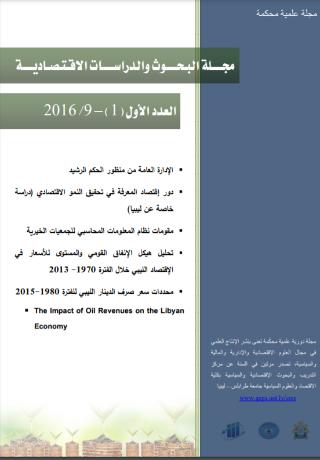
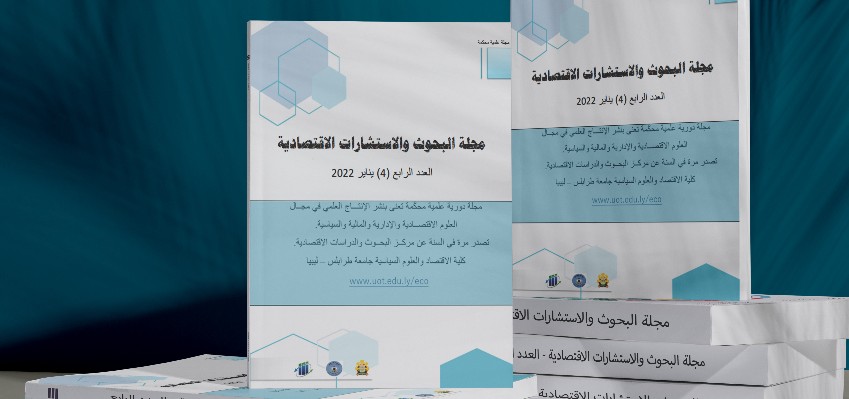
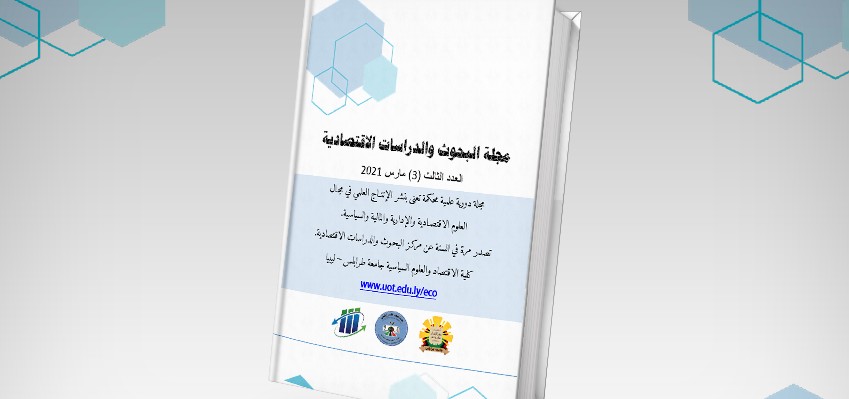
المجلات العلمية

بعض المجلات العلمية التي تصدر عن كلية الاقتصاد و العلوم السياسية

كلية الاقتصاد و العلوم السياسية في صور

الالبومات الخاصة بفعاليات كلية الاقتصاد و العلوم السياسية