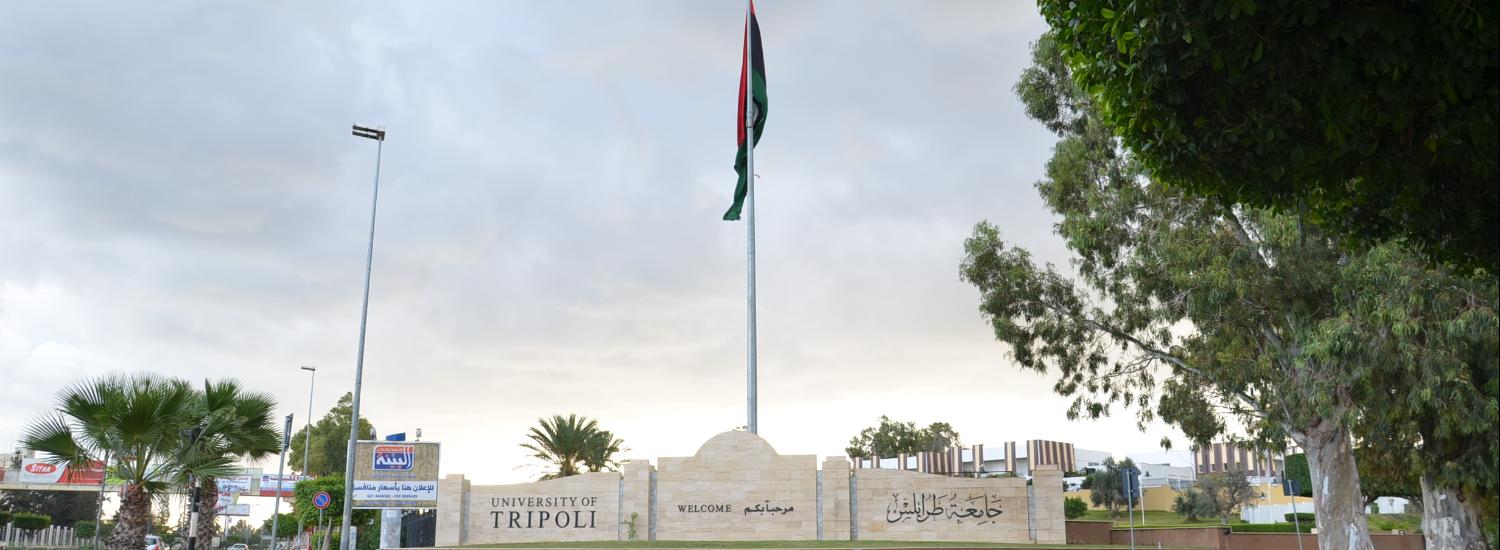
faculty of Agriculture

More ...

About faculty of Agriculture

Facts about faculty of Agriculture

We are proud of what we offer to the world and the community

253

Publications

184

Academic Staff

522

Students

0

Graduates

Who works at the faculty of Agriculture

faculty of Agriculture has more than 184 academic staff members

staff photo

Dr. MARWAN MOHAMED SALEM KESHLAF

مروان كشلاف هو احد اعضاء هيئة التدريس بقسم وقاية النبات بكلية الزراعة طرابلس. يعمل السيد مروان كشلاف بجامعة طرابلس كـاستاذ مشارك منذ 2019-08-04 وله العديد من المنشورات العلمية في مجال تخصصه

Publications

Some of publications in faculty of Agriculture

Estimation of Some Genetic Parameters of The Growth and Wool Characteristics of The Libyan Barbary Sheep

A B S T R A C T Records on 306 Libyan Barbary lambs descended from 232 ewes sired by 25 rams were included during the period from 2004 - 2009. Analyses were used by ASREML to estimate (CO)Variance, Additive and maternal heritability and Correlations; fitting an animal model including maternal genetic for live weight traits. The objective was to evaluate the performance and previously mentioned genetic parameters in some traits of Barbary sheep in Libya. Mean birth weight (BW), weaning weight (WW) and adjusted weaning weights (adjWW) were 3.11±0.06, 21.11±0.08 and 21.62±0.02 kg respectively. Mean greasy fleece weight (GFW), staple length (SL) and number of crimps/2cm. was 1.98±0.67 kg., 9.67±1.64 cm. and 11.02±1.56 respectively. The additive heritability estimates for (BW), (WW) and (adj WW) were 0.11, 0.21 and 0.27 respectively. The maternal heritability estimates for (BW), (WW) and (adj WW) were 0.05, 0.11 and 0.25 respectively. These results indicate that selecting for improved maternal and for direct effects in Barbary sheep would generate slow genetic progress in BW trait. Direct and maternal genetic and phenotypic correlations among the lamb weights varied between 0.08 and 0.966. The Repeatability estimates for (GFW), (SL) and crimps/2cm were 0.13, 0.03 and 0.03 respectively. The positive phenotypic correlation coefficient between the wool traits of the Libyan Barbary sheep ranged from 0.61 to 0.456. The negative correlation ranged from – 0.259 to – 0.036; It was the highest positive and significant correlation between number of fine and coarse crimps/2cm was 0.456, while the highest negative and significant correlation between number of crimps of fine fiber and coarse fiber ratio was 0.259. It concluded that Low estimates of additive and maternal heritability for live weights indicated the presence of less additive genetic variance and large environmental variance. Hence, improvement through selection may be limited in growth traits if the causes of environmental variation are not removed. Only year’s records can be trusted to predict performance in the wool traits when temporary environmental impacts are minimized. arabic 15 English 89
Ahtash. Abdulkarim , Abo-Zakhar, Aiad , Fathi Abousaq(1-2021)
Publisher's website

تأثير معدلات استخدام الإثيفون على التعبير الجنسي ومحصول البذور لنبات الكوسة

أجريت هذه الدراسة بالمركز الوطني للبذور المحسنة بكعام، استغرقت مدة الدراسة موسمين، الموسم الأول صيف 2007 وخصص لدراسة تأثير معدلات من منظم النمو الإثيفون ( 0، 250، 400، 600 جزء في المليون ) على التعبير الجنسي ومحصول البذور في ثلاث سلالات نقية من الكوسة ( SQP20 ,SQP19 ,SQP18 ). تم معاملة النباتات بالإثيفون مرتين في مرحلة الورقة الحقيقية الثانية والرابعة عندما كان قطر الورقة من 2-3 سم. الموسم الثاني صيف 2008 تمت فيه دراسة وتقييم نباتات الجيل الأول الناتجة من تلقيح السلالات السابقة مع السلالةSQP21 المستخدمة كأب.منع الإثيفون بتركيز 400، 600 جزء في المليون ظهور الأزهار المذكرة لمدة 25 يوماً والتركيز 250 جزء في المليون 21 يوماً، وهذا أدى إلى زيادة معنوية في عدد الأزهار المؤنثة وقلل من عدد الأزهار المذكرة. استخدام الإثيفون زاد عدد الثمار وقلل من وزن الثمار وزاد الإنتاجية الكلية من البذور. لم يكن للإثيفون تأثير معنوي على نسبة إنبات البذور حيث كانت نسبة الإنبات 93.8 %. كما أن نباتات الجيل الأول للسلالة الواحدة لم تظهر بينها فروق معنوية في عدد الأزهار المذكرة والإنتاجية لكل نبات والإنتاجية الكلية للثمار لكل المعاملات.
عبدالناصر الطاهر علي عبيد (2009)
Publisher's website

دراسة الوضع المائي بمشروع أبوشيبة الزراعي ومدى ملائمته للتركيبة المحصولية

أجريت هذه الدراسة في مشروع أبو شيبة الزراعي والذي يقع جنوب غرب مدينة طرابلس بحوالي (60 كم)، خلال السنوات (2008 / 2009) م، وذلك بهدف تقييم إدارة المشروع والتي تتضمن: دراسة مصادر المياه ومدي ملائمتها للتركيبة المحصولية وذلك عن طريق التقييم الكمي والنوعي للمياه لتحقيق هذا الهدف تم إتباع الخطوات التالية : دراسة الأسس النظرية والمفاهيم المتعلقة بتلك الدراسة مثل ؛ نوعية المياه ، مصادر المياه الجوفية وتلوثها ، بعض التعريفات الأخرى ذات العلاقة ؛ دراسة الخصائص الهيدروجيولوجية لمنطقة الدراسة وتحديد الخزان الجوفي المستغل الذي يغذي الآبار في المشروع وعلاقته بالخزانات المجاورة ؛ تحديد مستوى منسوب المياه الجوفية ومقدار الهبوط فيه منذ إنشاء المشروع سنة 1982 م ؛ دراسة نوعية المياه من خلال تحليل 21 عينة مياه مأخوذة من آبار المشروع ؛ تقدير الاحتياجات المائية للمحاصيل المزروعة في المشروع وتحليل البيانات الحقلية والتاريخية التي تم تسجيلها في فترات سابقة وذلك باستخدام: المخططات البيانية والبرمجيات مثل ؛ مخطط مختبر الملوحة الأمريكي ، مثلث بايبر ، برنامج SERVER وبرنامج CROPWAT وبرنامج ROCKWORK لتوضيح التغيرات والتذبذبات في العوامل التالية ؛ نوعية المياه ، منسوب سطح المياه الجوفية و حركة المياه الجوفية ، من خلال هذه الدراسة يمكن استخلاص النتائج التالية : وصل الهبوط في منسوب المياه الجوفية منذ إنشاء المشروع إلي (57) متر بمعدل ( 2.1 متر/ السنة ) ، مما يشير إلي إن المياه المستغلة في الري أكثر بكثير من التغذية الطبيعية للخزان الجوفي ، كذلك هذا ينذر بخطر نضوب الخزان الجوفي ونتيجة لذلك جفت بعض الآبار ؛ كفاءة استعمال المياه في المشروع تتراوح فيما بين (69.2 %) و(78.9%) وذلك يشير إلي أن أكثر من (20 %) من المياه المستعملة تهدر دون أي فائدة ؛ ووفقاَ إلى التحاليل الكيميائية فإن نوعية المياه لازالت ملائمة لزراعة بعض المحاصيل التي تتحمل مستويات من الملوحة في المياه ، علي الرغم من أنها قد تغيرت قيمتها عما كانت عليه عند إنشاء المشروع ؛ تعد هذه المياه غير صالحة للشرب حسب دليل منظمة الصحة العالمية علي الرغم من أنه تم تزويد المشروع خلال السنوات الأخيرة بمياه النهر الصناعي لتغطية العجز في المياه ، وتحسين نوعية المياه ، ولكن المشكلة لم تحل بالكامل ، ونستخلص في النهاية أن المشروع يحتاج إلي سياسة مائية تأخذ في الاعتبار نظام الري والمحاصيل المزروعة . Abstract This study was conducted in ABSHEIBA agricultural project that located around 6o Km south west of Tripoli during the year 2008 / 2009. The goal of this study was to investigate the project management that includes determination of water resource and its suitability to the cropping combination according to water quality and quantity available. To achieve that goal, the following steps have been done : investigating the basic theoretical concepts that related to the study such as water quality, sources of groundwater contamination and other related definitions; investigating the hydro-geologic characteristics of the study area and determining the aquifer which recharging the wells in the project and its relationship with neighborhood aquifers; determining the water table level and its drawdown since constructing the project in 1982; investigating water quality through samples collected from 21 wells in the project; determining the water crop requirements for crops that have been cultivated in the project; and analyzing the field and historical data using charts and softwares such as American salinity diagram, Piper triangle, SERVER, CROPWAT, ROCKWORK to flare out the changes and fluctuation of related parameters such as water quality, water table surface, and groundwater movement From this study the following conclusions can be drawn out. The drawdown in water table since constructing the project reached 57 m with an average 2.1 m per year, which means that the extracted water for irrigation is much more than the recharged water of the aquifer. Also, this means the aquifer is mining and because of that some of the wells are already dried. The water use efficiency in project ranges from 78.9% to 69.2% that indicates more than 20% of the water used is lost without any benefit. According to chemical analysis, water quality still be suitable for some crops that tolerate salinity even though, it has been changed from the previous one during the project construction. Also, this water is not suitable for drinking according to World Health Organization. Even though, the project has been supplied during the last years by the water from the artificial river project to overcome the water deficit and improve the water quality but the problem does not solved completely. As the final conclusion, the project needs new policy concerning the irrigation system and cultivated crops.
رمضان الدوكالي عبد الحميد العلاقي (2012)
Publisher's website